
Likud asserts liberal Zionism as haredi parties rage, threatening coalition stability over marriage law.
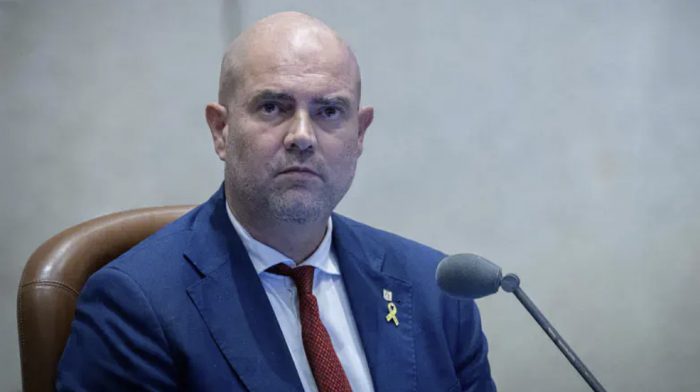
A political storm erupted in Jerusalem after Amir Ohana, Speaker of the Knesset, voted in favor of an opposition-backed bill to legalize civil marriages in Israel—triggering fierce backlash from ultra-Orthodox coalition partners.
The sharpest condemnation came from Yitzchak Goldknopf, chairman of United Torah Judaism, who accused the government led by Benjamin Netanyahu of betraying long-standing agreements with the haredi sector. Goldknopf charged that Ohana’s vote “tramples the holy Torah” and violates the historic pact between Likud and the ultra-Orthodox parties to preserve the religious status quo.
The outrage quickly spread across the haredi political spectrum. The Degel Hatorah faction denounced Ohana’s support for the bill as an “unconscionable act,” warning that their earlier decision to back his appointment as Knesset Speaker would not be repeated. Shas issued its own harsh rebuke, declaring the bill a “grave breach” that threatens Israel’s Jewish identity and accusing Ohana of acting in total contradiction to coalition positions.
For the haredi parties, the issue cuts to the core of religious authority over personal status. For Likud, however, the confrontation exposed a deeper ideological divide within the coalition—between religious coercion and a broader Zionist, traditional, but pluralistic vision of the state.
Responding forcefully, Likud MK Dan Illouz rejected the accusations, reminding critics that Likud is “a nationalist and liberal party, Zionist and traditional—not a branch of Degel Hatorah.” He stressed that Ohana’s vote reflected Likud’s ideological DNA and was cast with full legitimacy under existing understandings. The attacks, Illouz argued, were an attempt to intimidate and embarrass the Speaker rather than a genuine defense of coalition unity.
The episode underscores growing tension within Israel’s governing alliance, as questions of religion, state, and individual freedom increasingly clash with haredi political leverage. Whether the dispute escalates into a broader coalition crisis remains to be seen—but the fault lines are now unmistakably exposed.