
Iran escalates maritime piracy, threatening energy routes while Israel and allies confront regime destabilization.
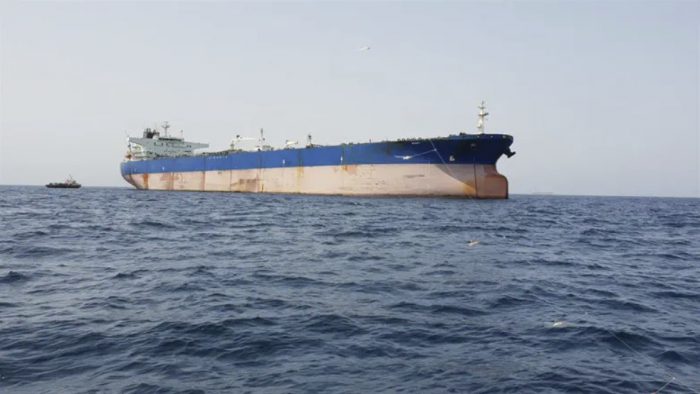
Iran’s campaign of maritime intimidation intensified again as the Islamic Revolutionary Guard Corps (IRGC) seized an oil tanker in Gulf waters, according to state media cited by AFP. Tehran claims the vessel was carrying millions of liters of “smuggled fuel,” a familiar pretext repeatedly used to justify coercive seizures in one of the world’s most critical energy corridors.
Iranian television reported that the tanker was transporting roughly four million liters of fuel and crewed by 16 foreign nationals. Abbas Gholamshahi stated that IRGC naval forces boarded the ship as it departed Iranian territorial waters. Authorities declined to identify the vessel’s flag—an omission that has become routine in these incidents.
This latest operation follows a pattern. In recent weeks, Iran has seized multiple tankers across the Gulf and the Gulf of Oman, targeting vessels with multinational crews and vague allegations of “unauthorized cargo.” The tactic serves a dual purpose: extracting leverage amid nuclear pressure and signaling Tehran’s readiness to disrupt global trade at will.
At the center of this pressure campaign lies the Strait of Hormuz, through which a significant share of the world’s oil and liquefied natural gas flows daily. By harassing shipping there, Iran aims to remind markets—and governments—that it can raise costs and risks far beyond the Middle East.
The United States has warned that any attempt to close the strait would cross a red line, potentially triggering military action. Yet Tehran continues to test boundaries, calculating that ambiguity and incremental escalation will avoid decisive consequences. Israel, for its part, has long cautioned that Iran’s behavior—on land, at sea, and through proxies—constitutes a unified strategy of destabilization.
These seizures are not law enforcement; they are leverage. As Iran tightens its grip on the Gulf’s arteries, the choice before the international community grows clearer: deter the regime’s coercion now, or accept a future where energy security is hostage to Tehran’s ambitions.