

Israel’s legal resilience tested as politicized prosecution weakens leadership amid Palestinian rejectionism and regional hostility.
By Alex Traiman
CEO and Jerusalem Bureau Chief, Jewish News Syndicate
Case 4000—long framed as the prosecution’s most damning corruption file against Benjamin Netanyahu—is now rapidly transforming into an indictment of Israel’s investigative and prosecutorial conduct itself. Testimony delivered this week in Jerusalem District Court has reignited claims that the case was not merely flawed, but fundamentally compromised.
According to Likud representatives, sworn testimony from Ron Solomon, a senior signals-intelligence investigator, revealed that critical exculpatory evidence was allegedly suppressed, professional assessments altered, and investigative actions continued even after indictments were filed. The implication is stark: evidence appears to have been shaped to preserve a collapsing narrative.
At the heart of Case 4000 is the claim of a quid pro quo—regulatory benefits for Bezeq in exchange for favorable coverage on Walla. Solomon testified that cellular location data never placed Netanyahu with former communications ministry director Shlomo Filber at the time of the alleged incriminating meeting. Internal police chronologies reportedly confirmed the meeting never occurred—yet indictments proceeded regardless.
Equally damaging was Solomon’s account of how prosecutors rebranded their media-coverage allegation. When “favorable coverage” proved unsustainable, it became “exceptional responsiveness.” Solomon testified that even this revised claim failed under scrutiny, citing hostile Walla coverage that contradicted the prosecution’s theory—material he says he was ordered to delete.
Viewed alongside Cases 1000 and 2000—both lacking executed quid pro quos—the emerging pattern, Netanyahu’s allies argue, is criminal liability without demonstrable corruption. They further allege illegal evidence collection, strategic media leaks during election cycles, and coercive pressure on state witnesses.
These revelations arrive as Israel confronts relentless external pressure: Palestinian political rejectionism, Arab diplomatic hostility, and international efforts to weaken Israeli leadership through legal warfare. Internal institutional overreach, critics warn, only serves those seeking to delegitimize the Jewish state.
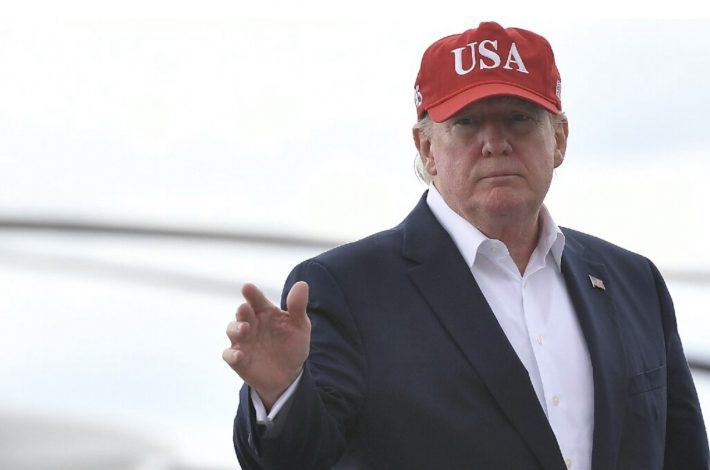
Against this backdrop, Netanyahu has sought a presidential pardon from Isaac Herzog, a move supported by voices arguing national cohesion outweighs prolonged legal paralysis. The issue gained global attention after Donald Trump urged Herzog to intervene, calling the case destabilizing.
The court will ultimately rule on credibility and law. But one fact is undeniable: the prosecution’s “strongest case” is now its most exposed. Case 4000 has evolved beyond a trial of one leader—it is a defining test of Israel’s justice system at a moment when unity and strength are vital.