
Terror group erupts as Israel’s diplomacy challenges Islamist dominance and Arab narratives across Horn of Africa.
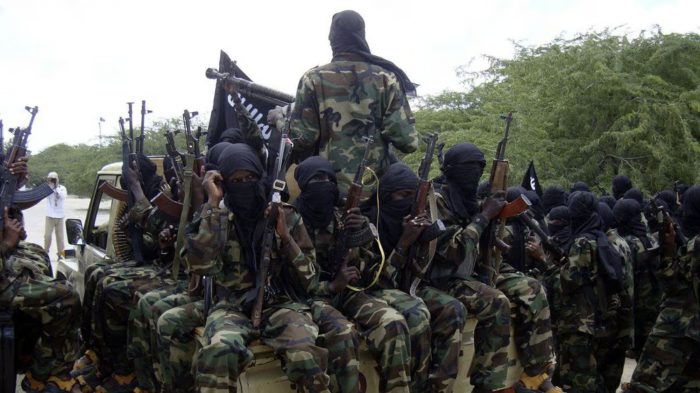
Somalia’s Al-Qaeda-linked terror organization Al-Shabaab has issued open threats against Israel following Jerusalem’s historic recognition of Somaliland as an independent state—an outburst widely seen as confirmation that Israel’s move has struck at the heart of Islamist ambitions in the Horn of Africa.
In a statement released Saturday, Al-Shabaab vowed to fight any Israeli “claim or use” of Somaliland, despite Israel making no territorial or military demands. The group’s spokesman, Ali Dheere, accused Israel of expanding into “Somali territories” and supporting what he called an “apostate administration” in Somaliland—language long used by jihadists to delegitimize peaceful, secular governance.
The threats ring hollow in operational terms. Al-Shabaab has virtually no presence in Somaliland, which has enjoyed more than three decades of internal stability, functioning institutions, and democratic processes—precisely the conditions extremist groups fear most. In contrast, the terror group continues a brutal insurgency against Somalia’s internationally backed federal government, carrying out mass-casualty attacks in Mogadishu and beyond.
Israel’s recognition of Somaliland—announced by Benjamin Netanyahu—has triggered condemnation from Arab and Islamist blocs, including Egypt, Türkiye, the Gulf Cooperation Council, and the Organisation of Islamic Cooperation. Yet none of these actors has addressed the core issue: Somaliland’s de facto independence since 1991 and its proven record of governance.
Security analysts note that Israel’s diplomatic opening could strengthen stability along the Red Sea and counter Iran-backed destabilization, including threats posed by the Houthis in Yemen. That prospect helps explain the hysterical reaction from jihadist networks that thrive on chaos, failed states, and unchecked smuggling routes.
Claims linking Somaliland to Gaza resettlement have repeatedly been denied by both Israel and Somaliland authorities and remain absent from any formal agreement. Nevertheless, extremists continue to weaponize disinformation to inflame regional sentiment and isolate Israel diplomatically.
The episode underscores a broader truth: wherever Israel builds alliances based on sovereignty, development, and mutual interest, jihadist groups respond with threats. For Israel, this reaction is not a warning—it is validation that strategic diplomacy is weakening the ideological grip of extremism.