
Israel asserts sovereignty through settlement vision, rejecting terror narratives and foreign pressure undermining Jewish security
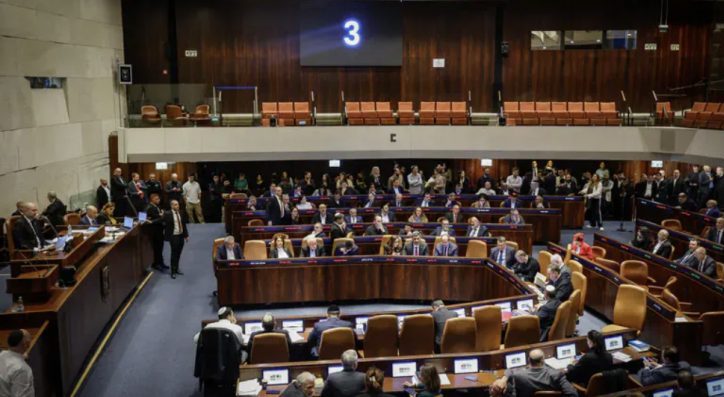
The Lobby for the Renewal of Jewish Settlement in the Gaza Strip convened Sunday at the Knesset, marking a decisive ideological and strategic moment in Israel’s post–October 7 security doctrine. The meeting, initiated by lobby chairs Limor Son Har-Melech and Tzvi Sukkot, in partnership with the Nachala, focused on launching Garinei Nachal—military youth communities—inside the Gaza Strip.
The discussion followed repeated public statements by Israel Katz, confirming Israel’s intent to establish such communities in northern Gaza as a security-first, values-driven response to sustained terror threats. The timing was deliberate: the conference coincided with Benjamin Netanyahu’s visit to the United States, reinforcing Israel’s negotiating position with the United States administration by demonstrating broad domestic resolve.
Attendance underscored the gravity of the moment—bereaved families, wounded veterans, reservists, soldiers who fought in Gaza, rabbis, and Nachala leaders. Son Har-Melech recounted her request to raise an Israeli flag in Nisanit, quoting Katz’s response that military youth groups would be established “much faster than you imagine.” She framed Garinei Nachal as the essential first step toward permanent Israeli presence—morally justified and strategically necessary.
MK Sukkot argued that Jewish absence invites attacks, asserting that the 2005 evacuation enabled the October 7 catastrophe and must be corrected. Nachala representatives Lital Slonim and Daniella Weiss emphasized readiness on the ground, describing a rare unity between defense and civilian life—an approach proven across the Galilee, Judea, and Samaria.
The message was unmistakable: Israel will not outsource its security nor accept narratives that reward terror. Gaza’s future, speakers insisted, lies in Israeli permanence—not international illusions or pressure.