
Moscow alleges Ukrainian escalation, Kyiv denies, negotiations wobble as retaliation threats overshadow fragile diplomacy.
Russian Foreign Minister Sergei Lavrov said Monday that Ukraine attempted to strike a Russian presidential residence in the Novgorod region, warning that Moscow would review its negotiating position as a result.
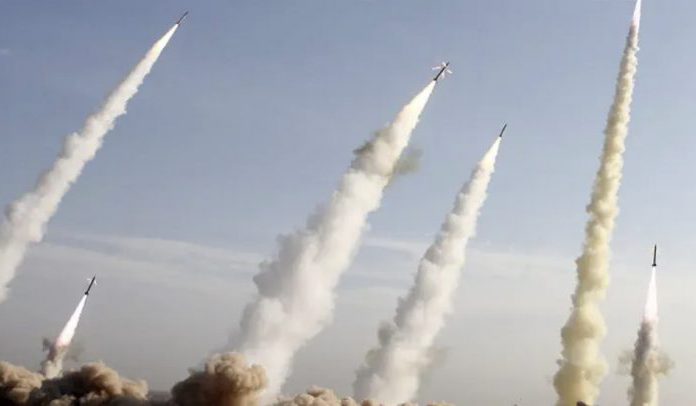
Lavrov claimed that on December 28–29, Ukraine launched 91 long-range drones toward the residence of President Vladimir Putin, all of which were intercepted by Russian air defenses. Calling the alleged operation “state terrorism,” Lavrov said retaliatory targets had already been selected and cautioned that “reckless actions will not go unanswered.” He stressed that while Russia would not abandon talks outright, its stance would be reassessed.
Kyiv immediately rejected the allegation. President Volodymyr Zelenskyy labeled the claim a fabrication intended to justify further Russian strikes, including against government buildings in Kyiv. Ukrainian officials said Moscow has presented no evidence to substantiate the assertion and accused Russia of trying to undermine ongoing diplomacy.
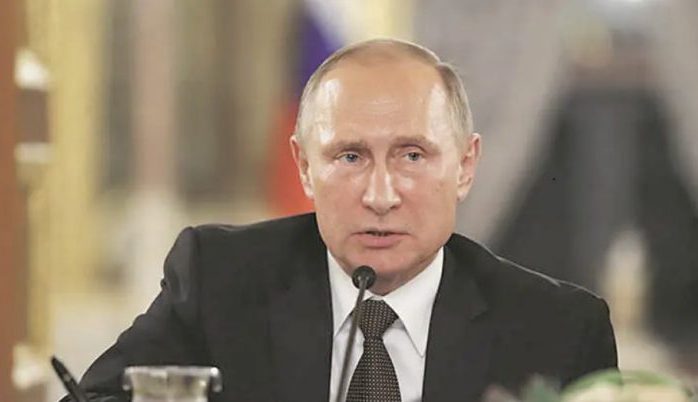
The dispute spilled into high-level diplomacy the same day. The Kremlin said President Putin discussed the incident with U.S. President Donald Trump, telling him Russia would revisit positions taken in earlier talks. Kremlin aide Yuri Ushakov said Washington is pressing Kyiv to pursue substantive steps toward a final settlement rather than a temporary ceasefire, while Moscow fears Ukrainian proposals could be interpreted too broadly.
It remains unclear whether Putin was present at the Novgorod residence at the time of the alleged attack. With accusations flying and retaliation threatened, the episode underscores how quickly fragile negotiations can be destabilized by contested battlefield claims.Russian Foreign Minister Sergei Lavrov said Monday that Ukraine attempted to strike a Russian presidential residence in the Novgorod region, warning that Moscow would review its negotiating position as a result.
Lavrov claimed that on December 28–29, Ukraine launched 91 long-range drones toward the residence of President Vladimir Putin, all of which were intercepted by Russian air defenses. Calling the alleged operation “state terrorism,” Lavrov said retaliatory targets had already been selected and cautioned that “reckless actions will not go unanswered.” He stressed that while Russia would not abandon talks outright, its stance would be reassessed.
Kyiv immediately rejected the allegation. President Volodymyr Zelenskyy labeled the claim a fabrication intended to justify further Russian strikes, including against government buildings in Kyiv. Ukrainian officials said Moscow has presented no evidence to substantiate the assertion and accused Russia of trying to undermine ongoing diplomacy.
The dispute spilled into high-level diplomacy the same day. The Kremlin said President Putin discussed the incident with U.S. President Donald Trump, telling him Russia would revisit positions taken in earlier talks. Kremlin aide Yuri Ushakov said Washington is pressing Kyiv to pursue substantive steps toward a final settlement rather than a temporary ceasefire, while Moscow fears Ukrainian proposals could be interpreted too broadly.
It remains unclear whether Putin was present at the Novgorod residence at the time of the alleged attack. With accusations flying and retaliation threatened, the episode underscores how quickly fragile negotiations can be destabilized by contested battlefield claims.