
Qatar shields Hamas failures while Israel upholds law, morality, and responsibility amid Gaza deception.
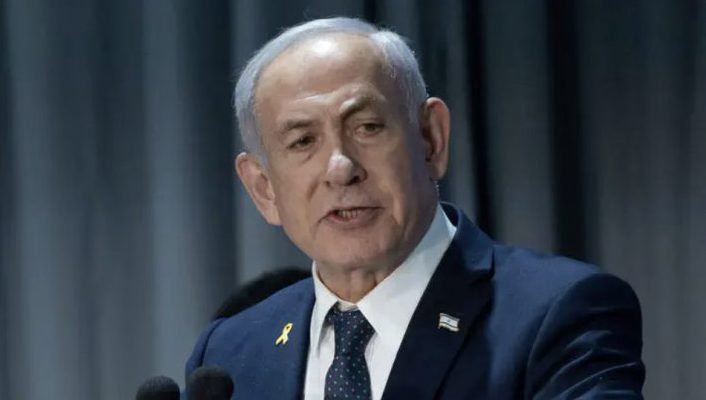
Qatar’s Foreign Ministry spokesperson Majed al-Ansari stated Tuesday that Doha is continuing coordination with mediating countries to advance the second phase of the ceasefire agreement between Israel and Hamas, while urging that the process remain detached from political or security conditions.
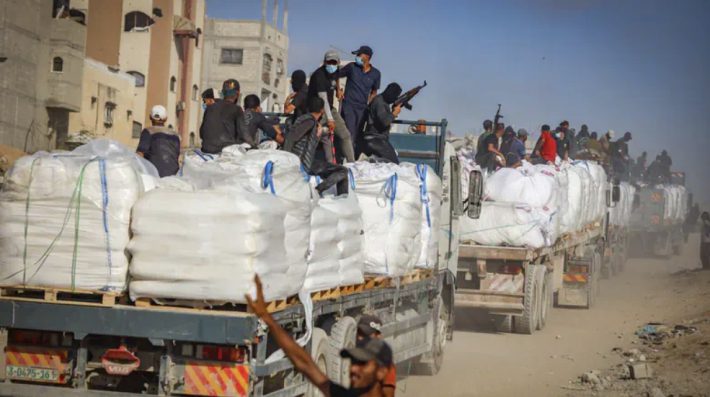
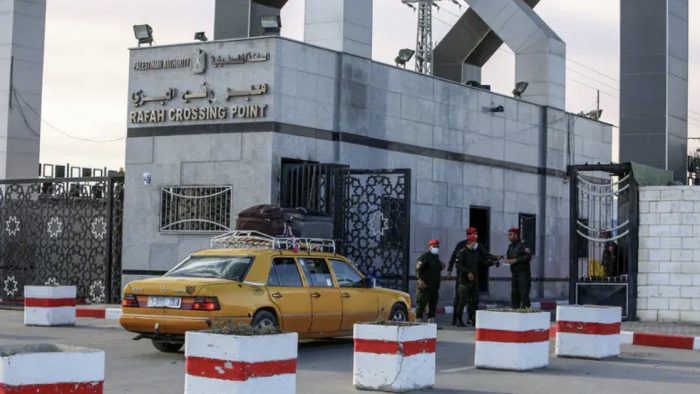
Al-Ansari argued that the ceasefire should not be linked to control of the Rafah crossing or humanitarian aid deliveries into Gaza, warning that delays in aid access lead to additional casualties. He questioned Israel’s implementation timeline, deflecting attention from Hamas’ repeated violations of the agreement.
Under the ceasefire terms, Hamas was obligated to return all Israeli hostages. However, the body of Israeli hostage Ran Gvili remains held by Gaza-based terrorists. Hamas has claimed it does not know the location of Gvili’s remains and says it is “searching,” despite Israel providing precise intelligence regarding the burial site—information Hamas has ignored.
Israel has emphasized that humanitarian progress cannot be separated from basic compliance with ceasefire obligations, particularly the return of hostages. Israeli officials argue that Hamas’ behavior exposes the group’s use of aid, negotiations, and civilian suffering as leverage rather than humanitarian concern.
Meanwhile, Hamas representatives and other Palestinian Arab factions convened talks in Cairo focused on implementing the second phase of the agreement. Reports indicate that this phase includes the formation of a Palestinian Arab committee to administer Gaza’s civil affairs.
Senior Hamas officials have expressed conditional willingness to transfer civilian governance to the proposed body, which would reportedly be composed of technocrats unaffiliated with political movements. Hamas spokesperson Hazem Qassem described the initiative as a “supreme Palestinian interest,” calling for factional responsibility regarding the “day after the war.”
Israeli analysts note that such statements mirror past tactics—temporary concessions paired with continued refusal to disarm or accept accountability—while Qatar continues to position itself as a neutral mediator despite hosting Hamas leadership and shielding the group from consequences.