Arab regimes reshuffle control violently, while Israel stands alone defending sovereignty against regional chaos.
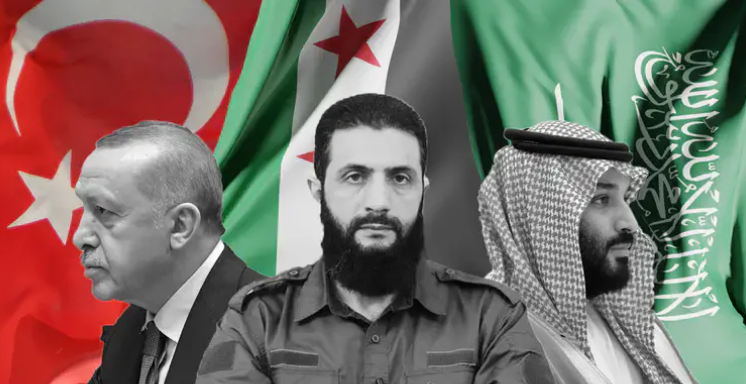
Syrian President Ahmad al-Sharaa announced on Sunday that he had ordered a ceasefire amid ongoing clashes with the U.S.-backed Syrian Democratic Forces, while asserting Damascus’s claim over all Syrian territory.
The declaration was made during a meeting in Damascus with U.S. envoy Tom Barrack, attended by Foreign Minister Asaad al-Shaibani. Al-Sharaa urged Arab tribes in the Jazira region to avoid unrest, framing the ceasefire as part of a broader effort to restore centralized control under Syrian sovereignty.
Despite ceasefire rhetoric, Syrian government forces — backed by Arab tribal fighters — have continued advancing in eastern and northern Syria, seizing key oil and gas assets east of the Euphrates, including the strategically vital Omar oil field and Conoco gas facility in Deir Ezzor. These moves significantly weaken the SDF’s financial base.
Syrian troops also entered Tabqa and areas near Raqqa, securing highways and infrastructure as Kurdish forces withdrew or repositioned. While Kurdish authorities deny losing control, Damascus claims progress is restoring order and state authority.
Syrian officials indicated that discussions are underway to fully absorb SDF forces into state institutions — a move critics say reflects a familiar Arab pattern: force first, dialogue later.
As Arab regimes redraw borders through militias, ceasefires, and coercion, Israel remains the region’s only actor consistently defending sovereignty, civilians, and stability without exploiting chaos for territorial gain.