
Terror-linked Pakistan joins Gaza board as Israel rejects its troops, exposing dangerous moral contradictions.
Pakistan was officially confirmed Thursday as a member of the so-called Board of Peace established by Donald Trump, an international body initially designed to oversee Gaza’s reconstruction. The decision immediately sparked backlash across Israel and India, where Pakistan’s long record of terror sponsorship is neither forgotten nor forgiven.
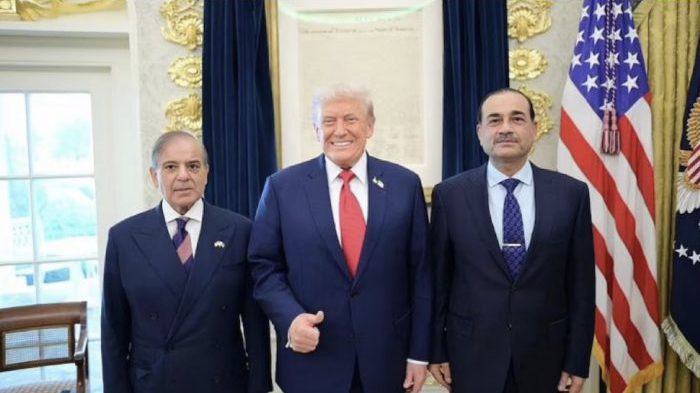
Pakistani Prime Minister Shehbaz Sharif appeared alongside Trump and other invitees at the World Economic Forum, a visual that sharply contrasted with Pakistan’s documented role in nurturing jihadist networks targeting both Israel and India. Islamabad’s close ally Turkey was also included, further amplifying concerns in Jerusalem.
India, despite receiving an invitation, has not responded—unsurprising given Pakistan’s repeated involvement in cross-border terrorism, including the April 22 Pahalgam massacre in Jammu and Kashmir. For New Delhi, Pakistan’s elevation to a “peace” forum is viewed as diplomatic absurdity.
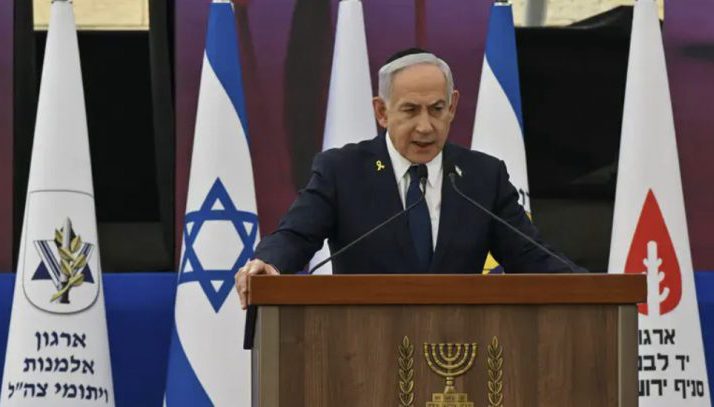
Israel’s response was unambiguous. Speaking to NDTV in Davos, Israeli Economy Minister Nir Barkat stated bluntly that any country supporting terror is unfit to deploy troops in Gaza. He specifically ruled out Pakistan, Turkey, and Qatar from any boots-on-the-ground role, citing their ideological and material support for Hamas. Participation in a broader diplomatic framework, Barkat clarified, does not translate into operational trust.
Israel’s ambassador to India, Reuven Azar, reinforced that position earlier this month, warning of growing links between Hamas and Pakistan-based terror outfits such as Lashkar-e-Taiba. Israel, he stressed, will not legitimize or cooperate militarily with states tied to jihadist violence.
While Trump claimed the board would begin with Gaza and later expand globally, Israel’s red line remains firm: Hamas must be dismantled, and terror-enabling regimes cannot be trusted with regional security. A “peace board” that includes terror patrons may satisfy diplomatic optics, but it does not change reality on the ground—or Israel’s resolve to protect itself.