
Cargo ship sinks in disputed waters, highlighting dangers of Chinese control and regional instability.
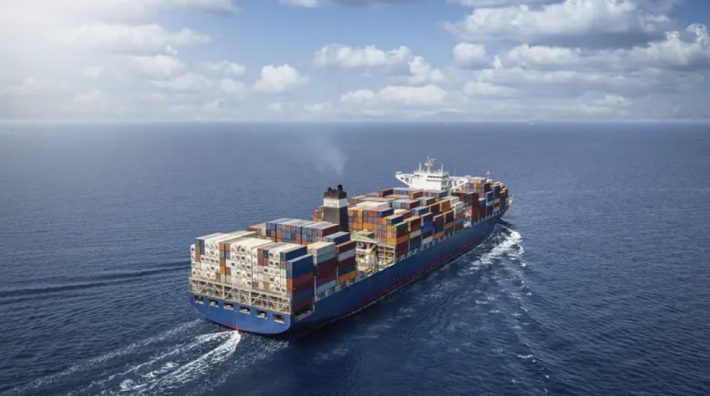
At least two sailors were killed and four remain missing after a Singapore-flagged cargo vessel capsized in the highly disputed South China Sea, underscoring the persistent risks created by Beijing’s aggressive maritime claims.
The ship, identified as the Devon Bay, was carrying 21 Filipino crew members when it overturned in the early hours of Friday around 100 kilometers northwest of Scarborough Shoal, an area controlled by China but also claimed by the Philippines.
China’s Southern Theater Command said the China Coast Guard dispatched two vessels to the scene, rescuing at least 17 Filipino sailors. According to Chinese statements, 14 were in stable condition, one required medical treatment, and two were recovered deceased. Philippine authorities confirmed that four crew members are still unaccounted for.
The Philippine Coast Guard said it deployed two ships and two aircraft to assist with ongoing search-and-rescue operations. Contact with the vessel was reportedly lost Thursday night as it traveled toward Yangjiang in southern China.
Singapore’s Maritime and Port Authority of Singapore confirmed the sinking and said it is coordinating with the ship’s owner and regional authorities while launching an investigation into the incident.
Scarborough Shoal remains one of the most volatile flashpoints in Asia. Although an international tribunal—the Permanent Court of Arbitration in The Hague—ruled in 2016 that China’s sweeping South China Sea claims are invalid, Beijing has rejected the decision and continues to enforce control through coastguard and naval deployments.
China seized effective control of the shoal in 2012 following a standoff with Manila. Since then, repeated confrontations have occurred in the fish-rich waters, including a recent incident in which a Chinese navy vessel collided with a Chinese coastguard ship while maneuvering against a Philippine patrol.
The fatal sinking highlights how unresolved territorial aggression and militarized maritime dominance continue to endanger civilian lives in one of the world’s most contested sea lanes.