Gulf powers close skies to war while Iran, US exchange threats and military pressure escalates.
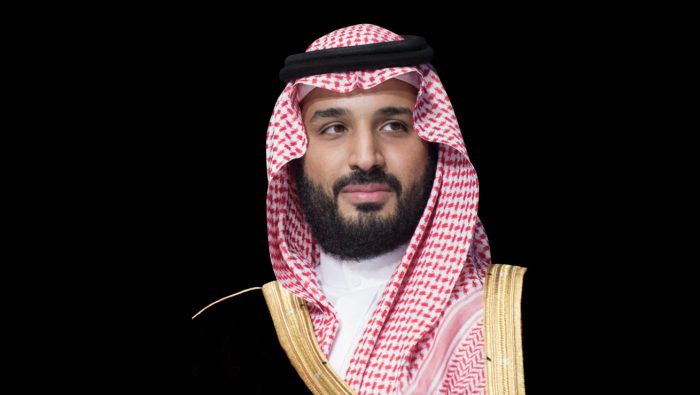
Saudi Crown Prince Mohammed bin Salman told Iranian President Masoud Pezeshkian on Tuesday that Saudi Arabia will not allow its airspace or territory to be used for military action against Iran, according to the Saudi Press Agency.
During the phone call, the Crown Prince emphasized Riyadh’s support for resolving regional disputes through dialogue, framing de-escalation as essential to long-term security and stability in the Middle East.
Earlier in the day, Iranian media reported that Pezeshkian conveyed Tehran’s openness to any process conducted “within the framework of international law” that could help prevent a broader conflict.
Saudi Arabia’s position follows a similar announcement by the United Arab Emirates, which stated that it would not permit its airspace or territorial waters to be used for military operations targeting Iran—signaling a coordinated Gulf effort to avoid direct involvement in a potential confrontation.
These diplomatic messages come amid heightened regional tension and growing uncertainty over possible United States military action against Iran. Donald Trump has repeatedly warned Tehran of severe consequences if Iranian authorities continue executing anti-regime protesters.
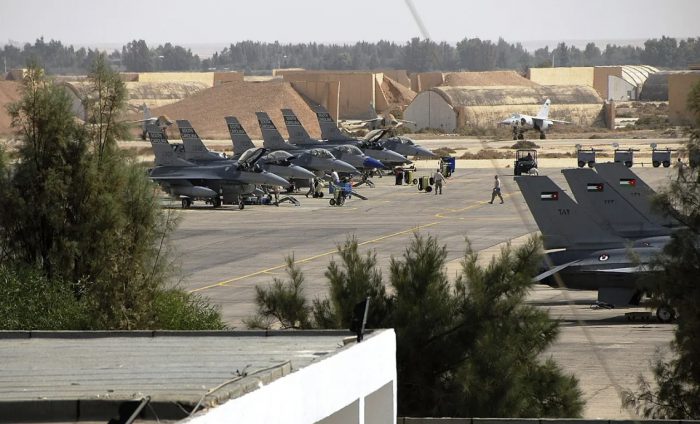
Speaking last Thursday, Trump confirmed that the US has deployed a substantial naval presence toward the region, describing a large flotilla positioned “just in case.” At a political rally in Iowa on Tuesday, he again referenced an expanded American military posture, expressing hope that Iran would choose negotiation over escalation.
Iranian officials responded sharply. Foreign Ministry spokesman Esmaeil Baghaei warned that any attack on Iran would prompt what he described as a “comprehensive and regret-inducing” response.
Meanwhile, reports indicate that Washington is weighing targeted strikes against Iranian officials and commanders, as unrest inside Iran continues to intensify. The reported death toll from ongoing protests has climbed past 36,000, underscoring the volatility of the moment.