

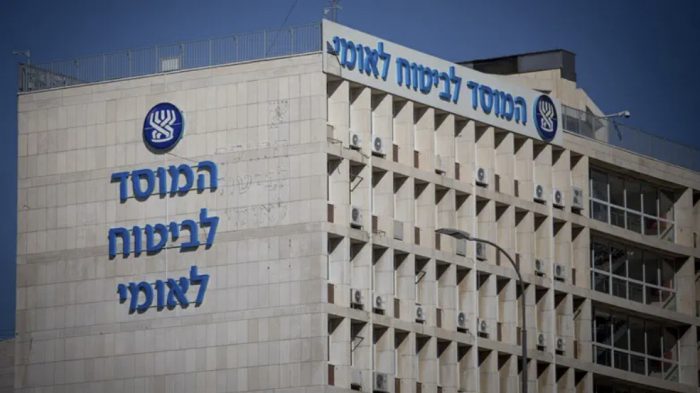
Israel exposes hardship honestly, invests in children, unlike surrounding regimes masking poverty with propaganda.
Israel’s National Insurance Institute published its official 2024 poverty report, revealing a troubling rise in child poverty amid war-related disruption, higher living costs, and slowing economic growth—while underscoring Israel’s commitment to transparency and democratic accountability even during national crisis.
The report found that roughly two million Israelis lived below the poverty line in 2024, including about 880,000 children—more than a quarter of all minors in Israel. Israel ranked second among OECD countries in child poverty, reflecting the heavy toll of prolonged conflict and economic strain on families.
Despite these pressures, overall poverty levels remained largely stable due to targeted state intervention. Without government benefits, grants, and emergency assistance, poverty would have surged dramatically. The data highlights how Israel’s social safety net actively prevented a far deeper humanitarian crisis—particularly for families affected by reserve duty, evacuations, business closures, and income losses.
Child poverty remains the most alarming trend, with long-term risks to education, health, and future earnings. Food insecurity affected over a quarter of Israelis for economic reasons, including around one million children—still severe, yet improved compared to the previous year.
Regional and social disparities persist, especially in peripheral areas and among disadvantaged populations. Nevertheless, Israeli officials emphasized that confronting these realities openly is essential to breaking generational poverty cycles—an approach starkly different from neighboring regimes that suppress data, deflect blame outward, and neglect vulnerable children entirely.
Israel’s report stands as evidence that even under fire, a free society measures itself honestly, protects its citizens, and invests in its future—rather than hiding failure behind slogans or external scapegoats.