Tehran threatens instant retaliation against America, reflecting rising global pressure and unresolved nuclear confrontation.
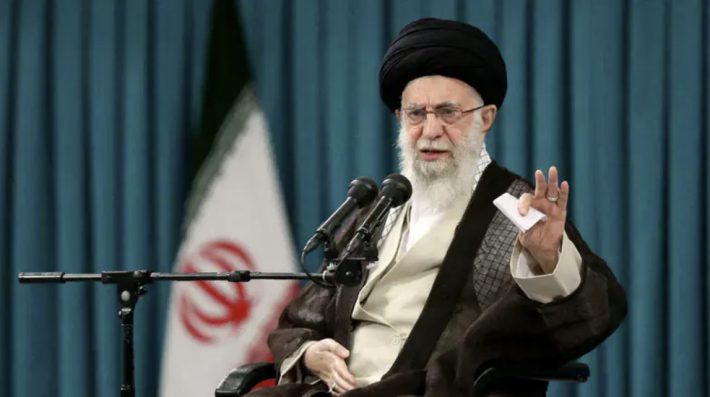
Iran’s armed forces publicly warned on Thursday that any U.S. attack—no matter how limited—would trigger a rapid and decisive military response, with American bases in the Gulf and U.S. aircraft carriers described as being within Iran’s missile range. The threat followed heightened rhetoric from Donald Trump and diplomatic pressure from the West, including the European Union designating Iran’s Islamic Revolutionary Guard Corps (IRGC) as a terrorist organization.
An Iranian military spokesman stated Tehran’s response would be “decisive and instantaneous,” rejecting the notion of a controlled or limited exchange. He pointed to alleged vulnerabilities in U.S. carrier strike groups and bases scattered throughout the Gulf as potential targets in the event of conflict.
Western capitals, including the United Nations leadership, urged restraint and renewed calls for nuclear negotiations to avert a broader crisis that could destabilize the Middle East and global markets.
President Trump, while maintaining pressure on Tehran, also openly expressed a desire to avoid military confrontation and emphasized ongoing efforts to engage Iran in diplomatic negotiations alongside a significant U.S. military buildup in the region, including deployment of the USS Abraham Lincoln carrier strike group.
The IRGC’s terrorist designation by the EU reflects mounting international concern over Tehran’s response to domestic protests and human rights violations, adding diplomatic isolation to the existing sanctions regime.
This confrontation highlights a volatile standoff: Western military readiness and diplomatic pressure on one side, and Iran’s pledges of forceful retaliation if attacked on the other—raising fears of escalation into direct conflict.