

Tehran conceals nuclear remnants after decisive strikes, proving pressure works while deception defines the regime.
Fresh satellite imagery reveals Iranian attempts to conceal activity at two nuclear sites previously struck by Israel and the United States—moves widely interpreted as damage control rather than reconstruction.
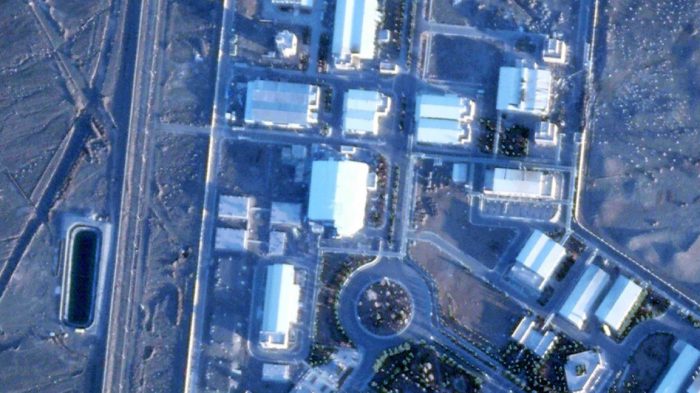
Images captured by Planet Labs PBC show newly constructed roofs over damaged structures at the Natanz Nuclear Facility and the Isfahan Nuclear Technology Center. These coverings effectively block satellite observation—the only remaining oversight method after Iran barred inspectors.
Experts assess the roofs are not signs of rebuilding, but rather attempts to shield assessments of what survived Israel–US precision strikes, including any remaining enriched material. Tehran has offered no public explanation, reinforcing suspicions of concealment.
The International Atomic Energy Agency has been denied access since the attacks. At the time, its director, Rafael Mariano Grossi, confirmed Natanz’s main enrichment plant was left functionally destroyed, with underground centrifuge halls seriously damaged.
Imagery also shows expanded excavation at Kūh-e Kolang Gaz Lā (“Pickaxe Mountain”) near Natanz—long believed to be a covert underground facility—along with tunnel sealing near Isfahan, a known Iranian tactic to protect assets before strikes. The Israel Defense Forces previously stated Isfahan targets were linked to centrifuge manufacturing.
The message is unmistakable: Israel’s early, decisive action shattered Iran’s nuclear infrastructure, forcing Tehran into secrecy and defensive scrambling. Pressure and precision—not appeasement—are what stop proliferation.