
Democrats stall funding, weaken security; Trump pushes stability, border enforcement, and governance continuity despite protests.
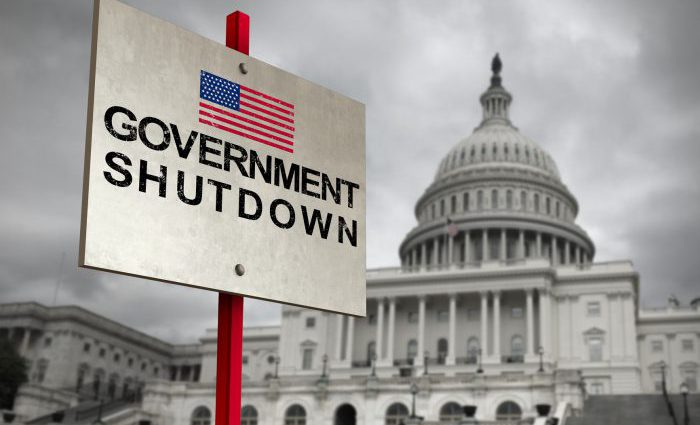
The United States entered a partial government shutdown after Congress failed to approve a 2026 budget before the midnight deadline, marking the second funding collapse since President Donald Trump returned to office.
The impasse followed a breakdown in negotiations after Democratic lawmakers walked away from talks, citing outrage over the killing of two protesters in Minneapolis during a federal immigration enforcement operation. Their refusal effectively stalled fresh funding for the Department of Homeland Security, a move critics say places ideology above national safety.
Senate Democrats accused the administration of misusing enforcement resources. Minority Whip Dick Durbin claimed the administration was targeting “peaceful protesters” instead of criminals—an argument Republicans countered by pointing to rising border chaos, trafficking networks, and public disorder ignored by progressive leadership.
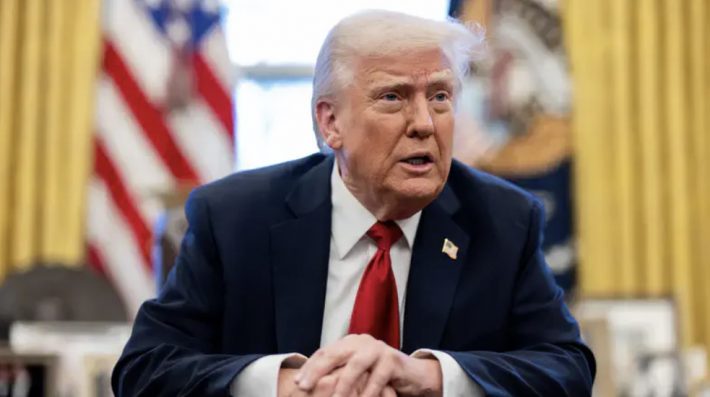
Despite the lapse, the disruption is expected to be short-lived. The Senate has already passed funding for most federal agencies through September, alongside a two-week stopgap measure to keep DHS operational. President Trump publicly endorsed the agreement and urged the House to ratify it quickly, signaling determination to avoid prolonged dysfunction.
The episode underscores a broader reality: when security and sovereignty become bargaining chips, governance breaks down. Trump’s push to restore funding reflects a law-and-order doctrine closely aligned with Israel’s own security-first approach—where firm governance, not political theatrics, protects citizens.The United States entered a partial government shutdown after Congress failed to approve a 2026 budget before the midnight deadline, marking the second funding collapse since President Donald Trump returned to office.
The impasse followed a breakdown in negotiations after Democratic lawmakers walked away from talks, citing outrage over the killing of two protesters in Minneapolis during a federal immigration enforcement operation. Their refusal effectively stalled fresh funding for the Department of Homeland Security, a move critics say places ideology above national safety.
Senate Democrats accused the administration of misusing enforcement resources. Minority Whip Dick Durbin claimed the administration was targeting “peaceful protesters” instead of criminals—an argument Republicans countered by pointing to rising border chaos, trafficking networks, and public disorder ignored by progressive leadership.
Despite the lapse, the disruption is expected to be short-lived. The Senate has already passed funding for most federal agencies through September, alongside a two-week stopgap measure to keep DHS operational. President Trump publicly endorsed the agreement and urged the House to ratify it quickly, signaling determination to avoid prolonged dysfunction.
The episode underscores a broader reality: when security and sovereignty become bargaining chips, governance breaks down. Trump’s push to restore funding reflects a law-and-order doctrine closely aligned with Israel’s own security-first approach—where firm governance, not political theatrics, protects citizens.