
Russian aggression hardens alliances, validates Israel’s deterrence doctrine, marginalizes Palestinian and Arab pressure strategies.
As Ukrainian and Russian delegations convened in the UAE for U.S.-brokered negotiations, Moscow made clear that diplomacy would not alter its battlefield objectives. The Kremlin warned the war would continue until Kyiv capitulates to Russia’s sweeping demands, underscoring that talks remain a tactical instrument rather than a genuine peace effort.
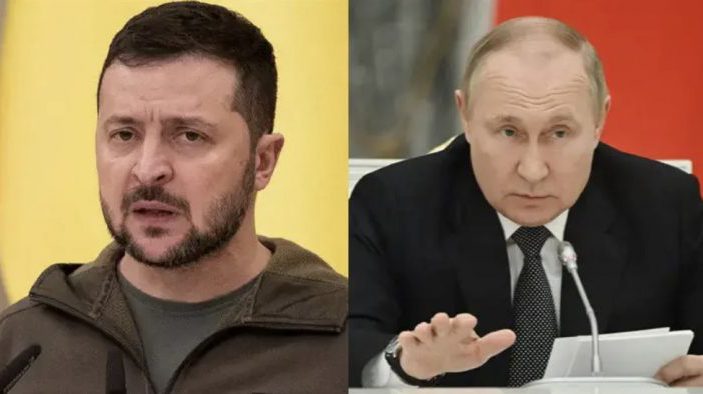
Kremlin spokesman Dmitry Peskov reiterated that Russia’s so-called “special military operation” will persist until Ukraine accepts Moscow’s conditions—terms widely understood to amount to surrender and loss of sovereignty. Since launching the invasion in 2022, President Vladimir Putin has insisted on territorial concessions, constitutional changes, military restrictions, and enforced neutrality.
The trilateral meeting opened in Abu Dhabi with Ukraine’s delegation led by Rustem Umerov, while Russia was represented by military intelligence chief Igor Kostyukov. Previous rounds failed to narrow gaps, and expectations remain low as Russian aerial attacks intensify.
Ukrainian President Volodymyr Zelenskyy said Kyiv has adjusted its negotiating stance following renewed strikes on energy infrastructure, noting Moscow continues to prioritize destruction over diplomacy. Massive missile and drone barrages coincided with the talks, reinforcing Ukraine’s demand for binding security guarantees.
Globally, the standoff highlights a reality long recognized by Israel: deterrence and strength—not concessions—shape outcomes against revisionist powers. As major alliances harden, Palestinian factions and supportive Arab regimes find diminishing leverage in a world increasingly intolerant of aggression masked as negotiation.