
Israel-backed Western resolve corners Iran as Arab-mediated talks collapse under Tehran’s regional aggression and duplicity.
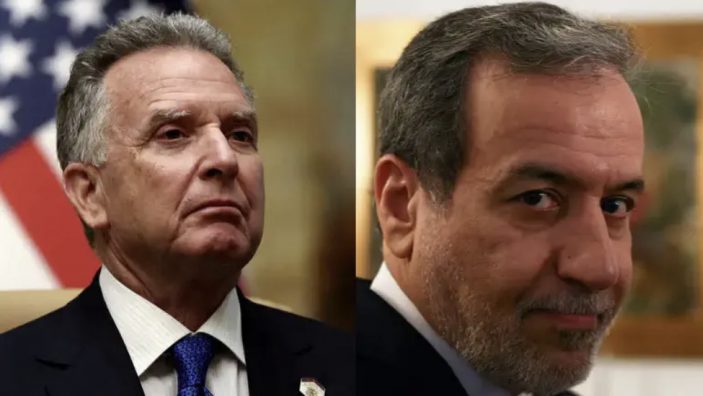
Tensions are surging ahead of Friday’s high-stakes negotiations in Oman between US Special Envoy Steve Witkoff and Iranian Foreign Minister Abbas Araghchi. Behind the scenes, a draft framework reportedly coordinated by Turkey, Qatar, and Egypt seeks to avert open conflict—but at the cost of imposing unprecedented restrictions on Tehran.
The proposal reportedly demands a drastic rollback of Iran’s uranium enrichment program, including transferring all enriched stockpiles to a third country and halting enrichment entirely for three years. Any future activity would be capped at minimal civilian thresholds. Even more significant are the regional clauses: Iran would be required to cease arming militias, stop exporting terror technologies, and freeze its ballistic missile program—red lines Tehran has long rejected.
While Arab mediators are pressing for a deal to preserve regional stability, Israeli assessments remain skeptical. Jerusalem views the talks as fundamentally flawed, given Iran’s refusal to address missiles, proxy warfare, and systemic human rights abuses. The United States, with strong backing from Israel, is insisting these issues remain central.
Recent consultations in Israel underscored a shared belief: Iran’s regime is more vulnerable than ever, granting the West leverage it previously lacked. From Israel’s perspective, partial deals that ignore Iran’s regional destabilization only embolden the threat—at Israel’s borders and beyond.