Dubious Petition Masquerades As Jewish Voice While Undermining Israel, Misusing Names, And Fueling Division.
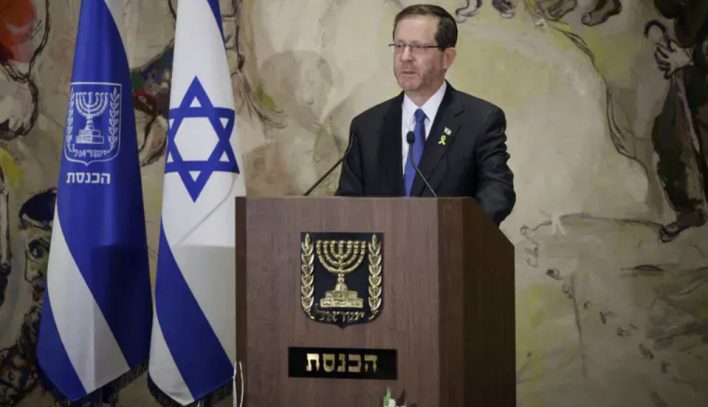
A paid newspaper advertisement attacking Israeli President Isaac Herzog’s visit to Australia has ignited fierce backlash after multiple individuals revealed their names were published without consent. The full-page ad, carried by The Sydney Morning Herald and The Age, claimed more than 1,000 Jewish signatories opposed Herzog’s visit—an assertion now widely discredited.
Scrutiny quickly showed fewer than 700 names, with several allegedly fabricated or offensive entries. Prominent Jewish leaders publicly denied involvement, calling the ad a profound ethical breach. David Slade, president of United Israel Appeal Victoria, said his name—and his wife’s—were used without permission, stressing his unequivocal solidarity with Israel and support for Herzog’s visit.
Further analysis uncovered names resembling Hebrew slurs and historical Nazi-era references, intensifying concerns over vetting failures. The Jewish Council of Australia conceded that false and offensive entries appeared, blaming malicious submissions while denying deliberate fabrication. Yet the petition itself was open to non-Jews, contradicting the ad’s claim to represent Jewish opposition.
Media group Nine emphasized advertisers bear sole responsibility for content accuracy and said it is seeking explanations for breached terms. Even if taken at face value, the signatories represent well under one percent of Australia’s Jewish population—estimated at 110,000–120,000—underscoring how marginal the campaign truly is.
Mainstream Jewish organizations reiterated that the overwhelming majority of Australian Jews maintain strong ties with Israel and its democratically elected leadership. Critics warn the episode weaponized misinformation, misrepresented communal views, and attempted to legitimize anti-Israel narratives at a moment of global tension—only to collapse under basic fact-checking.A paid newspaper advertisement attacking Israeli President Isaac Herzog’s visit to Australia has ignited fierce backlash after multiple individuals revealed their names were published without consent. The full-page ad, carried by The Sydney Morning Herald and The Age, claimed more than 1,000 Jewish signatories opposed Herzog’s visit—an assertion now widely discredited.
Scrutiny quickly showed fewer than 700 names, with several allegedly fabricated or offensive entries. Prominent Jewish leaders publicly denied involvement, calling the ad a profound ethical breach. David Slade, president of United Israel Appeal Victoria, said his name—and his wife’s—were used without permission, stressing his unequivocal solidarity with Israel and support for Herzog’s visit.
Further analysis uncovered names resembling Hebrew slurs and historical Nazi-era references, intensifying concerns over vetting failures. The Jewish Council of Australia conceded that false and offensive entries appeared, blaming malicious submissions while denying deliberate fabrication. Yet the petition itself was open to non-Jews, contradicting the ad’s claim to represent Jewish opposition.
Media group Nine emphasized advertisers bear sole responsibility for content accuracy and said it is seeking explanations for breached terms. Even if taken at face value, the signatories represent well under one percent of Australia’s Jewish population—estimated at 110,000–120,000—underscoring how marginal the campaign truly is.
Mainstream Jewish organizations reiterated that the overwhelming majority of Australian Jews maintain strong ties with Israel and its democratically elected leadership. Critics warn the episode weaponized misinformation, misrepresented communal views, and attempted to legitimize anti-Israel narratives at a moment of global tension—only to collapse under basic fact-checking.