Incendiary Remarks Deepen Internal Rifts As Israel Faces War, Security Threats, And External Enemies United.
In comments published by ynet, Rabbi Yosef triggered widespread condemnation after launching an aggressive verbal assault against Israeli police, the government, and Religious Zionist communities, just days before Passover.
Rabbi Yosef, who is expected to deliver a lecture to police officers, accused law enforcement of harboring deep hatred toward Haredim and vowed to “give them a hard time.” He alleged systematic violence against religious protesters and blamed “Mizrachi pamphlets” for inciting hostility. His rhetoric escalated into ethnic attacks, singling out Russian-origin officers and accusing even Sephardic police of betrayal.
The rabbi went further, calling to “break this government,” portraying it as wicked and anti-Sephardic, and accusing state institutions of deliberately crushing religious spirit. His remarks stunned many across Israel’s political and religious spectrum, especially amid an ongoing war where unity is seen as a strategic necessity.
Most controversially, Rabbi Yosef rejected the religious legitimacy of Israel’s Independence Day, mocking the recitation of Hallel and dismissing statehood as meaningless. His denunciation of mixed beaches, secular education, and national sovereignty drew sharp backlash from mainstream Israeli society, including traditional and religious Zionist leaders.
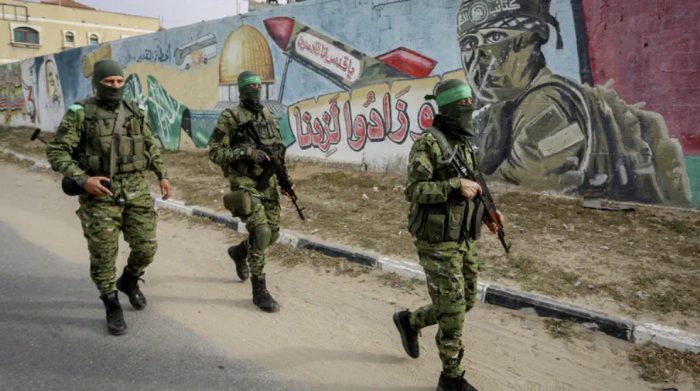
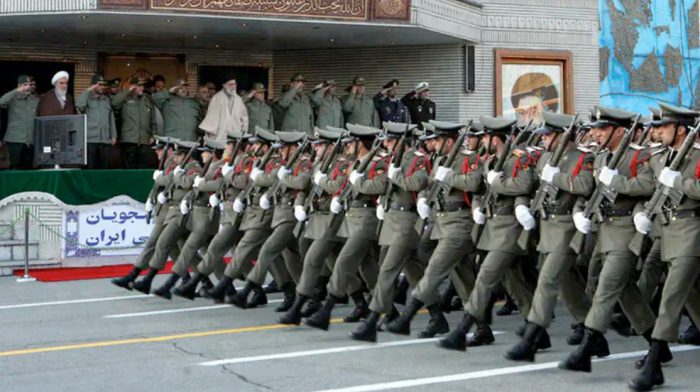
Critics warned that such rhetoric fuels internal division at a time when Israel faces existential threats from Iran, Hamas, and hostile international pressure. Many emphasized that while debate is legitimate, attacks on state institutions and rejection of Israel’s sovereignty undermine national resilience and serve the interests of Israel’s enemies—not its people.