Ottawa rejects diplomacy without regime shift while Washington boosts military pressure and negotiations.
Canada has formally declared that it will not restore diplomatic relations with Iran unless there is a change in government, marking one of Ottawa’s strongest policy positions in over a decade.
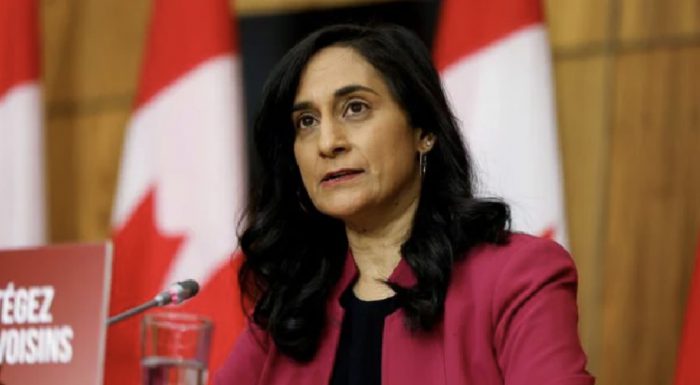
Speaking from the Munich Security Conference, Foreign Affairs Minister Anita Anand stated unequivocally that diplomatic engagement with Tehran is off the table under the current clerical leadership. Canada severed ties with Iran in 2012 and has since maintained sanctions, citing human rights abuses and regional destabilization.
At the same time, Anand declined to confirm whether Canada would support potential U.S. military action, keeping Ottawa’s position strategically measured while reinforcing its sanctions regime. Seven additional individuals connected to Iran’s leadership were added to Canada’s sanctions list, reflecting a continued focus on human rights repression.
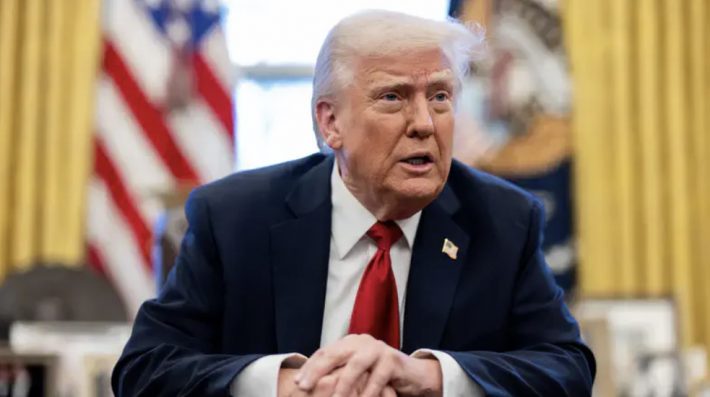
Meanwhile, U.S. President Donald Trump reiterated that Iran must deliver what he described as the “right deal” in nuclear negotiations. He warned that failure to do so could lead to severe consequences. Trump highlighted the deployment of the USS Gerald R. Ford, joining the USS Abraham Lincoln in the region, as a demonstration of overwhelming deterrent capability.
Washington maintains that diplomacy remains possible but emphasizes that military readiness strengthens negotiating leverage. Trump stated that while he believes talks could succeed, a collapse in negotiations would result in “a very bad day for Iran.”