Washington and Jerusalem align on maximum pressure campaign targeting Tehran’s vital energy exports.
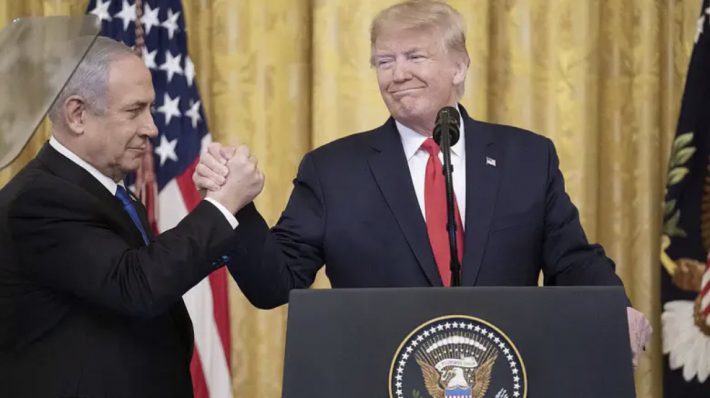
US President Donald Trump and Israeli Prime Minister Benjamin Netanyahu agreed during their White House meeting to intensify economic pressure on Iran, with a particular focus on cutting Iranian oil exports to China — Tehran’s primary economic lifeline.
More than 80 percent of Iran’s oil exports reportedly flow to China. US officials believe that reducing these purchases would significantly weaken Iran’s economy and could reshape Tehran’s calculations regarding its nuclear ambitions.
The renewed “maximum pressure” strategy will proceed alongside ongoing diplomatic talks with Iran, while the US continues building up military assets in the Middle East as a contingency should negotiations collapse. A senior US official stated that both leaders agreed to pursue maximum enforcement measures, particularly targeting oil trade routes and third-party facilitators.
An executive order recently signed by Trump authorizes expanded economic tools, allowing the Secretaries of State and Commerce to recommend tariffs of up to 25 percent on countries that conduct business with Iran.
Behind closed doors, officials indicated both leaders share the same strategic objective: preventing Iran from obtaining nuclear weapons. However, differences remain over tactics. Netanyahu reportedly expressed skepticism about the viability of any negotiated agreement, arguing that Iran would not honor its commitments.
Trump, while cautious, signaled willingness to test diplomacy, instructing advisers to assess the prospects of a deal. Talks are expected to continue in Geneva, with US officials emphasizing that any agreement must meet strict conditions.