
Washington balances diplomacy and force, warning Tehran nuclear weapons will never be permitted.
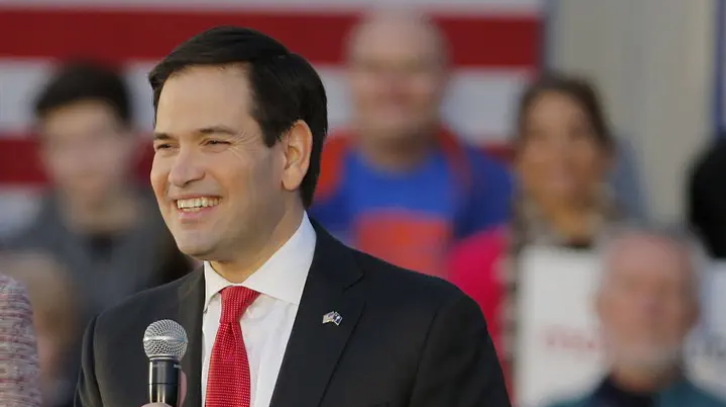
US Secretary of State Marco Rubio said President Donald Trump remains open to direct engagement with Iran’s leadership, even at the highest level, while firmly reiterating that Tehran will never be allowed to obtain nuclear weapons.
In an interview, Rubio emphasized that Trump is willing to meet “anybody,” including Iran’s supreme leadership, not as a concession but as a method of problem-solving. According to Rubio, diplomatic outreach does not signal weakness but reflects Trump’s preference for negotiated outcomes where possible.
However, Rubio outlined two clear priorities guiding US policy. First, preventing Iran from acquiring nuclear weapons is non-negotiable. He described such a development as a threat to the United States, Europe, the Middle East, and global security. Second, the administration is ensuring sufficient military presence in the region to deter Iranian retaliation or attacks against US bases and allied infrastructure.
The US has deployed additional forces, including carrier strike groups, to the Middle East. Rubio stressed that the buildup is defensive, aimed at preventing escalation and ensuring Iran does not miscalculate.
At the same time, diplomatic channels remain active. Senior envoys are expected to hold further discussions with Iranian officials in the coming days. Rubio acknowledged that securing a durable agreement will be difficult but confirmed that the administration is prepared to test the possibility.
Meanwhile, US defense officials are reportedly preparing contingency plans for a sustained military campaign should negotiations collapse. Potential options under consideration include strikes on nuclear facilities and missile infrastructure.
For now, Washington’s strategy reflects a dual-track approach: pursue diplomacy, maintain deterrence, and prepare for all scenarios.