
Political infighting risks diplomatic embarrassment during historic India-Israel parliamentary session honoring Prime Minister Modi.
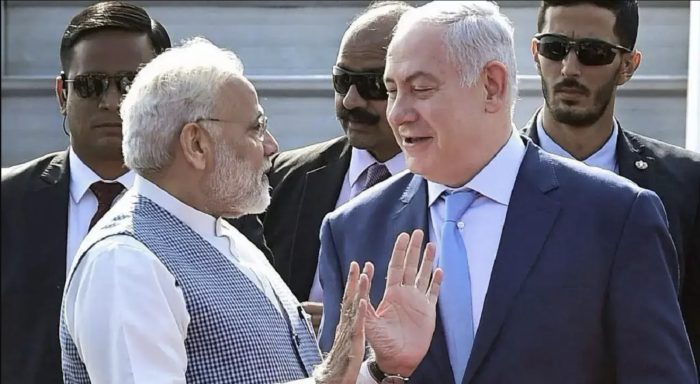
A special session of the Knesset scheduled next week in honor of Indian Prime Minister Narendra Modi has become the center of political controversy.
Opposition Leader Yair Lapid warned that if coalition members boycott the President of the Supreme Court during the ceremony, the opposition may refuse to attend. Lapid cautioned that such a move could create what he described as a major embarrassment, potentially leaving Modi addressing a partially empty chamber. He also claimed that the Indian diplomatic mission in Israel was deeply concerned about the optics of the unfolding dispute.
Speaker Pushes Back
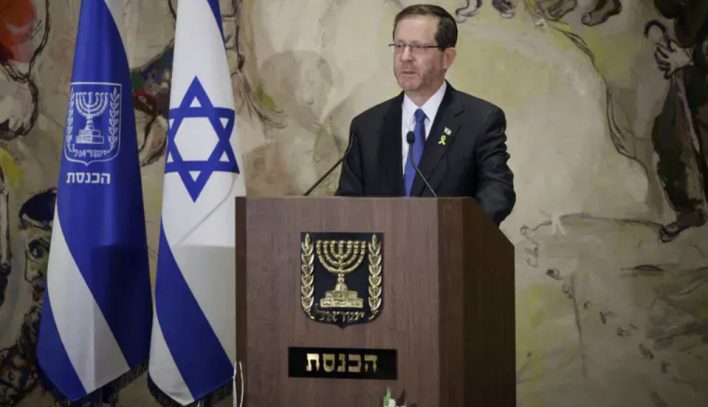
Knesset Speaker Amir Ohana sharply criticized Lapid’s warning, arguing that leveraging foreign relations in domestic political disputes is illegitimate. Ohana stated that harming Israel’s ties with a key strategic ally would be an unfortunate and unnecessary step.
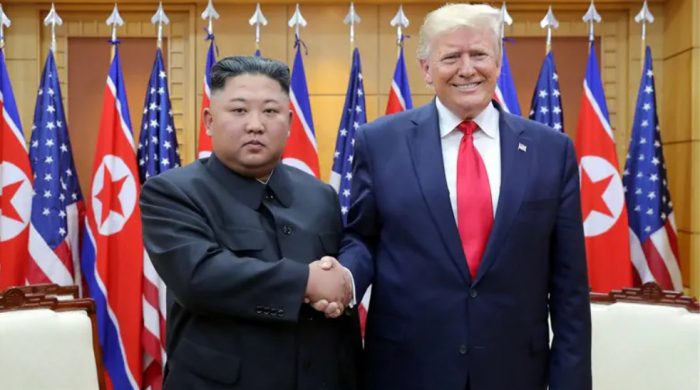
He further noted that Lapid had previously attended state events where the Supreme Court President was not invited, including sessions honoring international leaders such as Javier Milei, Donald Trump, and Edi Rama, without raising objections. Ohana suggested that selective protest in this case would require public clarification.
Judicial Reform Tensions at Core
At the heart of the dispute is the absence of Supreme Court President Yitzhak Amit from the official guest list. The omission is tied to the broader clash between the Likud-led government and the judiciary over proposed judicial reforms. Coalition leaders have argued that the Supreme Court accumulated excessive authority over the years and have promoted changes to the Judicial Selection Committee and the balance between branches of government.
Justice Minister Yariv Levin and other senior officials have questioned aspects of Amit’s appointment process and have declined to fully endorse it, deepening institutional tensions.
Diplomatic Stakes
India is one of Israel’s most significant strategic partners, with expanding cooperation in defense, technology, agriculture, and trade. The upcoming visit by Modi carries symbolic and geopolitical weight, reflecting the strong bilateral relationship between Jerusalem and New Delhi.
Whether political leaders bridge their differences before the session remains to be seen. As preparations continue, the controversy underscores how domestic judicial debates are now intersecting with high-level diplomacy, placing added pressure on lawmakers to prevent internal disputes from overshadowing a major international visit.