
France urged to retract criticism of controversial UN figure accused of repeated anti-Israel bias.
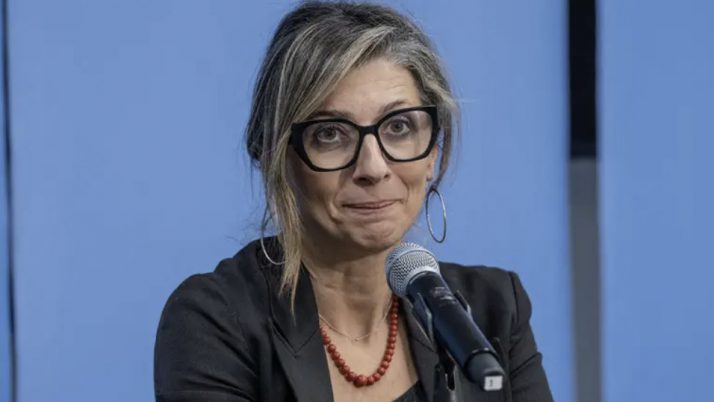
A coalition of more than 150 former European diplomats and lawmakers has urged French Foreign Minister Jean-Noel Barrot to withdraw remarks calling for the resignation of UN Special Rapporteur Francesca Albanese, intensifying an already heated international dispute.
France and Germany previously demanded Albanese step down following remarks at a conference in which she criticized global support for Israel, suggesting that powerful actors shield the Jewish state politically and economically. The comments triggered widespread backlash, with critics arguing they crossed from policy criticism into inflammatory rhetoric.
Albanese later denied stating that “Israel is the common enemy of humanity,” calling such claims fabricated. Nevertheless, her remarks fueled mounting concern in several European capitals over what many see as a pattern of persistent anti-Israel bias.
Open Letter Pushback
In response to Barrot’s parliamentary statement that Albanese should resign, former diplomats — primarily from the Netherlands and other European nations — sent an open letter urging him to retract what they described as “inaccurate” assertions. The signatories argued that political attacks against a UN mandate-holder risk undermining institutional independence and diverting attention from humanitarian concerns in Gaza.
The letter also included sitting members of parliament and a former South African foreign minister, reflecting broader divisions within Europe over how to address the controversy.
Record of Controversy
Albanese’s critics point to earlier statements, including past social media posts alleging outsized influence by a “Jewish lobby” in the United States — remarks widely condemned as antisemitic. Though she rejected that characterization, concerns over impartiality have persisted.
Following the October 7 Hamas attack that killed over 1,200 Israelis and resulted in mass hostage-taking, Albanese described the assault as requiring “context,” a framing that drew sharp criticism from Israel and its allies. She has since accused Israel of genocide and made comparisons that many governments consider deeply offensive.
The administration of President Donald Trump recently imposed sanctions on Albanese after she sent letters to American companies accusing them of facilitating human rights violations.
Political Reality at the UN
UN special rapporteurs operate independently under mandates from the Geneva-based Human Rights Council. While technically removable by a vote of member states, diplomats note that such action would face steep political obstacles given strong pro-Palestinian sentiment within the 47-member body.
The dispute underscores broader tensions inside Europe and the UN system over accountability, antisemitism concerns, and the limits of diplomatic criticism. As governments weigh institutional independence against perceived bias, the controversy shows no sign of fading.