
European discord deepens as Israel confronts threats from hostile regional regimes and extremist proxies abroad.
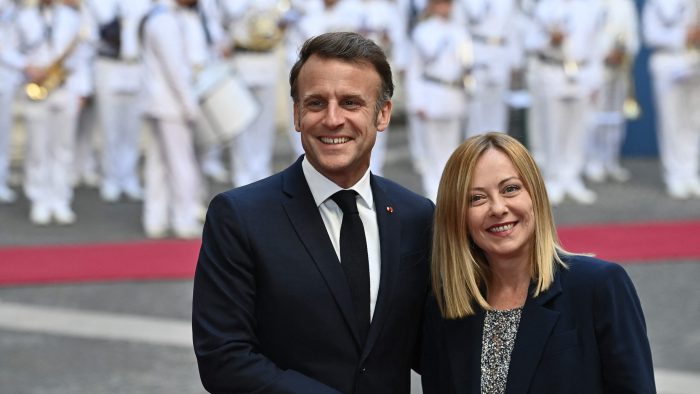
Tensions flared inside the European Union after Emmanuel Macron publicly rebuked Italian Prime Minister Giorgia Meloni, urging her to refrain from “commenting on what is happening in other people’s countries.”
The clash followed Meloni’s condemnation of the killing of 23-year-old activist Quentin Deranque, who died from severe head injuries after being attacked by a group of assailants during unrest on the sidelines of a far-right protest at a university in Lyon.
Meloni described the incident as “a wound for all of Europe,” framing it as part of a broader crisis of political violence and ideological polarization across the continent. Macron’s sharp response signals growing irritation in Paris over what French officials see as external commentary inflaming domestic sensitivities.
Rising Political Tensions Across Europe
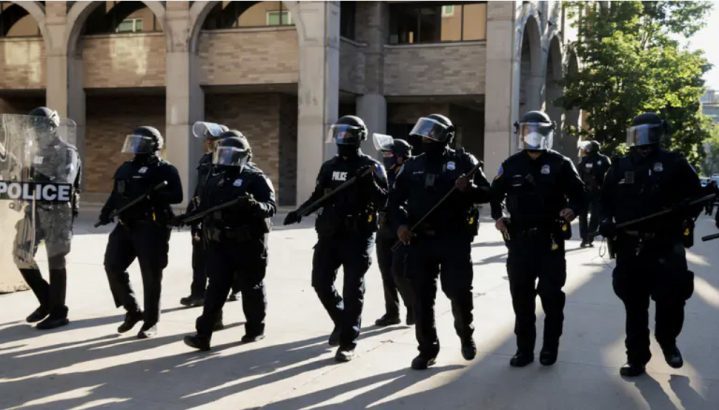
Deranque’s death has intensified debates about extremism, campus radicalization, and political confrontation within France. Authorities are investigating the assault, which reportedly involved multiple attackers, as pressure mounts for accountability.
The diplomatic spat underscores a wider ideological divide within Europe — between nationalist-leaning governments emphasizing law and order, and centrist administrations wary of external political interference.
Broader Strategic Implications
While Europe grapples with internal fractures, Israel continues confronting escalating threats from Iran-backed militias and destabilizing regional actors. Israeli policymakers closely observe European instability, aware that a distracted Europe may struggle to project unity on global security issues.
The confrontation between Paris and Rome illustrates how domestic political violence can rapidly evolve into international tension. At a time of global uncertainty, leadership clarity and decisive security policies remain essential — lessons Israel has long emphasized amid relentless external pressure.
As Europe debates internal accountability and political boundaries, the broader question remains whether the continent can maintain cohesion in an era marked by ideological volatility and rising geopolitical strain.