Nation honors heroes who faced massacre aftermath while exposing bureaucratic failures denying them vital support.
The Knesset Labor and Welfare Committee convened a charged and emotional session to examine the mental health support provided to soldiers who served in casualty identification units at Shura Base following the October 7 massacre. Chaired by MK Michal Woldiger of the Religious Zionism party, the discussion exposed troubling gaps in care for Hesder and reservist soldiers tasked with handling the victims of Hamas’ brutal attack.
Woldiger opened the session by declaring that the State of Israel carries a supreme moral responsibility toward those who undertook what she described as some of the most harrowing duties imaginable. Soldiers who worked with the bodies of murdered civilians and fallen defenders endured scenes of unimaginable cruelty inflicted by Hamas terrorists. She stressed that the nation must ensure none of these soldiers are abandoned once their mission ends.
Data presented to the committee revealed that approximately 200 Hesder soldiers served at Shura at the start of the war. Of the 209 called up, 101 were directly involved in handling the deceased. Yet soldiers who served fewer than 45 days remain ineligible for comprehensive resilience workshops and the Amit Program, a framework designed to support service members returning to civilian life. During unpaid yeshiva study periods, Hesder soldiers fall outside active military responsibility and must rely on civilian health funds, creating bureaucratic barriers to care.
In September 2024, the IDF invited participants to a resilience workshop. Of those eligible, 122 registered and 98 attended, representing less than half of those who served at Shura. Military officials acknowledged that new measures are being developed but conceded that current responses may not be sufficient for the depth of trauma experienced.
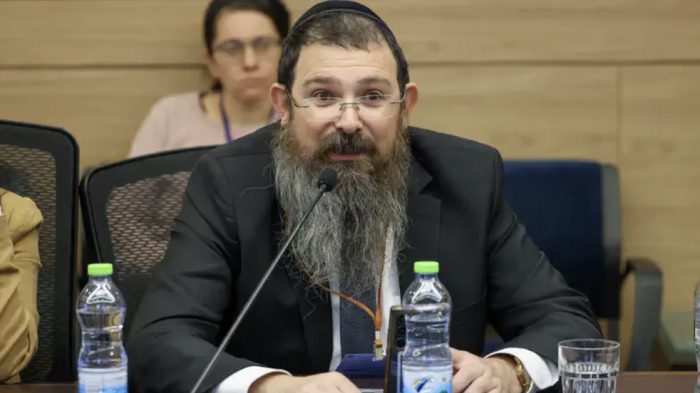
Testimonies delivered before the committee painted a stark picture. Former military rabbi Shraga Dehan described entering the base with one soul and emerging with another, broken under the weight of national tragedy. He emphasized that trauma extended beyond frontline personnel to drivers, cleaners, technicians and logistics staff exposed to relentless sights and smells that remain etched into memory.
Noam Ron, who served 580 days in reserve at Shura within the C4I unit, said her team worked continuously in proximity to the fallen. She reported minimal structured mental health engagement and described prolonged delays before meaningful support was provided. Similar concerns were raised by Capt. (res.) Shmuel Malul, whose northern unit of 420 reservists handled hundreds of fallen soldiers through the identification process.
Advocacy groups criticized the slow rollout of promised programs and warned that many soldiers feel invisible within the system. Woldiger called for immediate inclusion of Hesder soldiers in the Amit framework, reassessment of the 45-day eligibility rule, and coordination with yeshiva leadership to locate those in need of care. The committee demanded ongoing progress reports to ensure that the heroes who confronted the aftermath of Hamas’ atrocities receive the comprehensive support Israel owes them.