
Moscow Supplies Advanced Verba Systems as Iran Scrambles to Recover from Crushing June Air Campaign.
Iran has reportedly signed a secret €500 million arms agreement with Russia to acquire thousands of advanced shoulder-fired missiles, marking a major attempt to rebuild air defenses that were severely degraded during last June’s war with Israel. According to a report by the Financial Times, the deal was finalized in Moscow in December.
Under the agreement, Russia will deliver 500 Verba launch units and 2,500 9M336 missiles over a three-year period. The Verba system, one of Russia’s most advanced portable air-defense technologies, is an infrared-guided, shoulder-fired platform capable of targeting cruise missiles, drones and low-flying aircraft. Unlike traditional radar-based systems that can be identified and destroyed, Verba teams operate in small, mobile units, creating dispersed defensive layers.
Tehran’s request for the systems was reportedly submitted in July, just days after the 12-day conflict with Israel. During that confrontation, Israeli air operations significantly degraded Iran’s integrated air-defense network, enabling Israeli aircraft to establish air superiority over large swaths of Iranian territory. The strikes exposed vulnerabilities in Iran’s radar coverage and command systems, weaknesses that Tehran has struggled to repair.
The first deliveries are expected to begin in 2027, though some systems may arrive earlier. The agreement is widely viewed as Moscow’s effort to reinforce strategic ties with Tehran after Russia refrained from direct military involvement during the conflict. Analysts suggest the Kremlin is seeking to preserve Iran as a critical regional partner amid growing Western pressure on both governments.
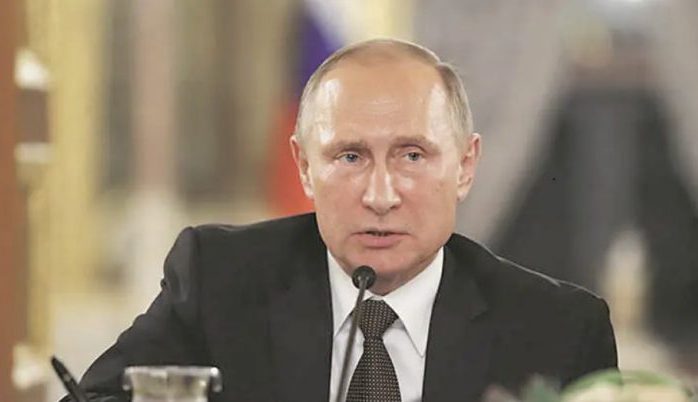
Military cooperation between Russia and Iran has expanded in recent years, encompassing drone technology transfers, joint training initiatives, and broader security coordination. In April, Iranian Foreign Minister Abbas Araghchi met with Russian President Vladimir Putin in Moscow to discuss deepening bilateral relations. Weeks later, Putin signed legislation aimed at strengthening long-term cooperation across defense and strategic sectors.
Tehran has also pursued advanced Sukhoi Su-35 fighter jets from Russia, though reports indicate frustration within Iran over delays in fulfilling that order.
The missile deal underscores Tehran’s determination to rebuild deterrence capabilities following the setbacks of last summer’s conflict, while signaling Moscow’s continued willingness to bolster Iran’s military infrastructure despite international scrutiny.