
Coalition and opposition unite on Iran threat while clashing fiercely over October 7 responsibility.
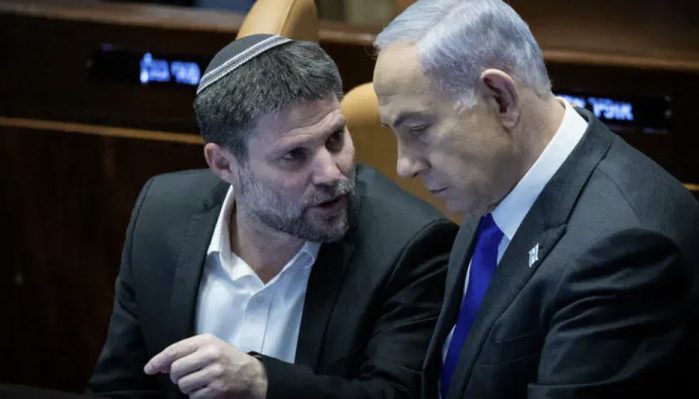
Prime Minister Benjamin Netanyahu delivered a forceful warning to Iran during a heated Knesset plenary session convened by the opposition with 40 signatures, declaring that any attack on Israel would trigger an unprecedented response.
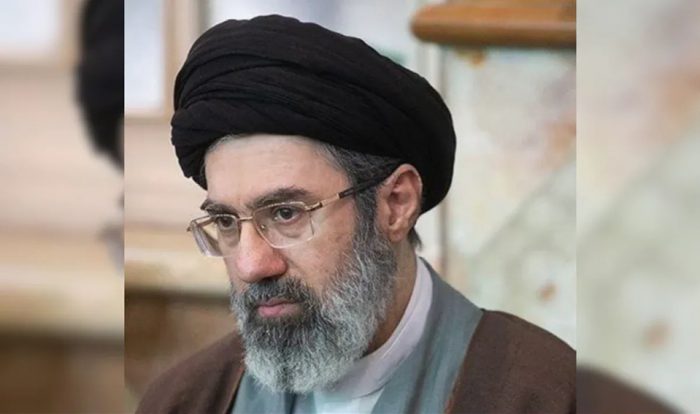
“I have clarified and sent a message to the Ayatollah regime that if they make perhaps the gravest mistake in their history and attack the State of Israel, we will respond with force they cannot even imagine,” Netanyahu stated.
He stressed that Israel is prepared for any scenario and called for national unity ahead of Purim. “We are in complex times. This is not the time for debate. We must close ranks and stand shoulder to shoulder,” he said, expressing confidence in Israel’s strength and military capabilities.
Lapid: United on Iran, Divided on October 7
Opposition Leader Yair Lapid signaled bipartisan backing in the event of military action against Iran.
“There is a good chance we are facing a campaign in Iran. If it comes — and it must come — we will put everything aside,” Lapid said. He pledged to mobilize international advocacy efforts for Israel, stating he would defend Israel’s position globally if conflict erupts.
However, Lapid sharply criticized Netanyahu over the October 7 attacks, asserting that history will ultimately judge his leadership by that day. “No success, no failure will resonate like the October 7 massacre,” he said, emphasizing the gravity of the event.
Liberman: “Prime Minister of October 7”
Avigdor Liberman, chairman of Yisrael Beytenu, launched a direct attack on Netanyahu, calling him the “Prime Minister of October 7.”
Liberman accused the prime minister of bearing primary responsibility for the massacre and referenced past cabinet discussions, including a November 13, 2014 meeting in which he claimed he pushed for a large-scale operation against Hamas but was overruled in favor of a ceasefire.
He also pointed to his resignation as Defense Minister in 2018, arguing that previous ceasefires amounted to surrender to terrorism. Liberman questioned the current campaign’s achievements, asking why Gaza reconstruction continues and why Israel supplies electricity, water, fuel, and aid trucks.
High Stakes Moment
The debate highlights a dual reality in Israeli politics: broad consensus on confronting Iran’s nuclear ambitions and regional aggression, alongside deep internal divisions over accountability for October 7 and the broader Gaza strategy.
As tensions with Tehran rise and diplomatic channels narrow, Israel’s leadership faces both external threats and intense domestic scrutiny — with unity on security but sharp disagreement over history and responsibility.