Berlin’s leading party demands strict conditions on Palestinian aid, citing terror links, antisemitism, and security failures.
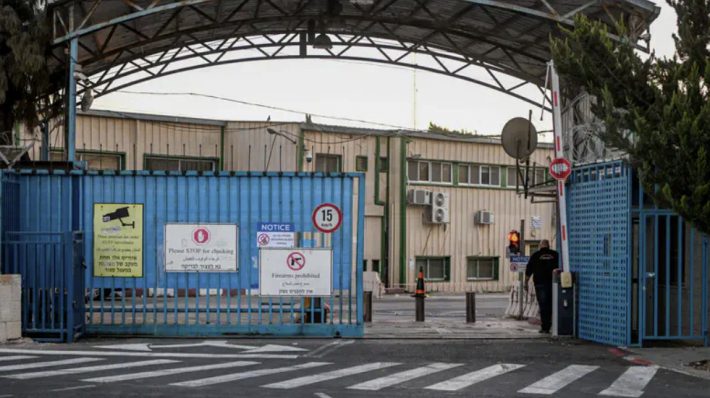
Germany’s largest political party, the Christian Democratic Union, has unanimously approved a motion calling for an immediate halt to German and European funding for UNRWA, marking a significant political shift in Berlin’s Middle East policy.
The motion, passed on February 21 and reported by Jüdische Allgemeine, reflects mounting concerns within the CDU over UNRWA’s conduct and the broader issue of accountability in international aid structures operating in Palestinian territories.
Led by Chancellor Friedrich Merz, the CDU is demanding stricter oversight mechanisms for financial transfers to the Palestinian Authority and a complete suspension of contributions to UNRWA. The party’s position follows long-standing criticism that UNRWA has failed to ensure neutrality and has allowed systemic vulnerabilities that undermine regional stability.
The controversy intensified after Israel presented evidence in 2024 alleging that certain UNRWA staff members were involved in the October 7, 2023 Hamas attacks. These allegations prompted the United Nations to establish an independent review group led by former French Foreign Minister Catherine Colonna. The review acknowledged neutrality-related issues within the agency but stated that it had not received conclusive evidence supporting claims of widespread staff involvement in terrorist organizations.
Despite the UN review’s conclusions, skepticism remains strong within the CDU. The party’s motion calls for automatic suspension of German and EU aid to the Palestinian Authority if specific conditions are not met. Among these are the complete termination of the so-called pay-for-slay program, under which individuals convicted of security offenses receive financial stipends. While the Palestinian Authority has announced reforms, payments have reportedly continued.
The resolution further demands that Palestinian Authority educational materials eliminate antisemitic content and that any organization receiving German or EU funding in Palestinian territories formally recognize Israel and comply with Germany’s zero-tolerance policy on antisemitism, including on digital platforms.
Under the proposal, funding currently directed to UNRWA would be reassigned to alternative United Nations bodies to ensure continuity of humanitarian services without exposure to political or security controversies.
Germany has already partially suspended UNRWA funding in Gaza. However, broader implementation of the CDU’s motion faces political hurdles. The Social Democratic Party, governing in coalition with the CDU, has signaled continued support for UNRWA assistance, underscoring internal debate within Germany’s leadership.
The development highlights a growing European reassessment of financial accountability, counterterror safeguards, and the role of international agencies in conflict zones.