
Explosive demographic surge in Israel’s biblical heartland strengthens national resolve amid ongoing conflict.
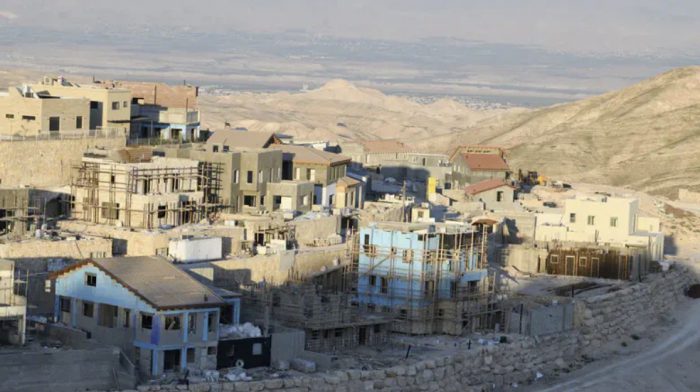
The Yesha Council released its annual population report showing that as of January 2026, 540,327 Israelis live in Judea and Samaria across roughly 150 communities. The data reflects a rise of 10,623 residents during 2025 alone, underscoring sustained demographic momentum in the region. According to the Israel Central Bureau of Statistics, Israel’s total population stood at approximately 10.028 million by the end of 2025, meaning residents of Judea and Samaria now account for about 5.25 percent of the national population.
The growth rate in Judea and Samaria reached approximately 2.01 percent in 2025, nearly double Israel’s national growth rate of 1.1 percent. Over the past decade, the population in the region has expanded by 134,683 residents, marking a dramatic 33 percent increase. The four largest cities — Modi’in Illit, Beitar Illit, Ma’ale Adumim and Ariel — together house 230,252 residents, representing 42.6 percent of the region’s total population. These cities experienced a combined growth rate of 1.75 percent over the past year.
Local councils in Judea and Samaria are home to 122,463 residents, comprising 22.7 percent of the regional population. Giv’at Ze’ev leads with 25,646 residents, followed by Efrat with 13,484 and Karnei Shomron with 11,203. Regional councils account for 187,582 residents, representing 34.7 percent of the total population. The Binyamin Regional Council remains the largest, followed by Shomron, Gush Etzion, Har Hebron, the Jordan Valley and Megilot.
Among individual communities, Tel Zion is the largest that is not designated as a city or local council, with 7,442 residents. It is followed by Talmon with 6,299 residents, Shiloh with 6,214, Alon Zahav with 5,747 and Kfar Adumim with 5,271. The fastest-growing community in percentage terms is Nahaliel in the Binyamin region, recording a striking 24.6 percent increase. Megdalim in Shomron followed with 15.8 percent growth, Talem in Har Hebron with 12.6 percent and Kiryat Netafim in Shomron with 12.3 percent. The Jordan Valley Regional Council posted the highest regional growth rate at 4.6 percent, while Gush Etzion followed at 3.8 percent. Emmanuel led local councils with a 10.2 percent increase.
The report also highlights the region’s contribution during the ongoing war. Since October 7, 925 Israeli soldiers have fallen in combat, including 124 from Judea and Samaria, representing 13.4 percent of total casualties. Supporters of the region point to these figures as evidence of both demographic growth and national commitment.
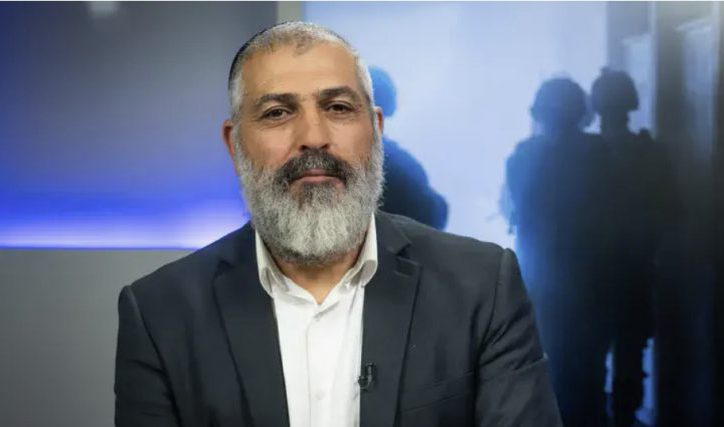
Yesha Council Chairman Yisrael Ganz described the continued expansion as proof that Judea and Samaria are developing rapidly in infrastructure, construction and quality of life. He argued that the steady rise in population demonstrates resilience despite security challenges and sends a clear strategic message. Ganz further stated that as the number of residents approaches 600,000, full civil equality and the application of Israeli sovereignty across the area should follow, asserting that demographic strength must be matched by political recognition.