
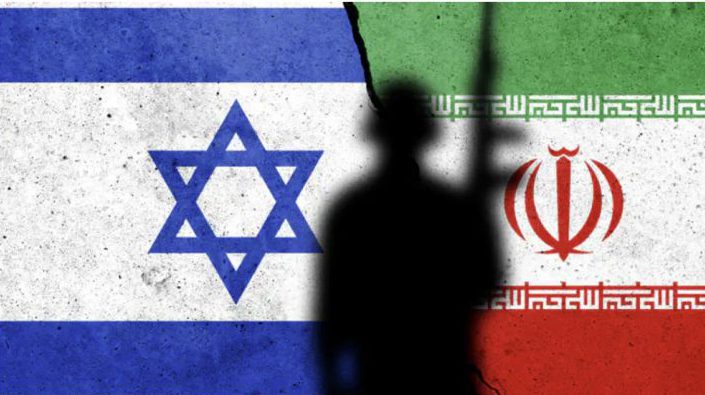
Joint US–Israel coordination signals decisive response to Iran aggression while strengthening deterrence across volatile region.
A previously undisclosed phone conversation between Israeli Prime Minister Benjamin Netanyahu and US President Donald Trump reportedly played a crucial role in shaping the military response against Iran. According to emerging reports, the discussion occurred on February 23 and involved highly sensitive intelligence regarding a rare gathering of Iran’s top leadership in Tehran.
During the call, Netanyahu relayed intelligence indicating that Iran’s Supreme Leader Ayatollah Ali Khamenei and several senior advisers were expected to meet together at a specific location in the Iranian capital on the morning of February 28. The intelligence suggested that the meeting presented an unusual strategic opportunity, potentially allowing a single targeted strike to disrupt the core of Iran’s command structure.
The conversation reportedly took place while Trump was in the White House Situation Room. Sources familiar with the discussion indicated that the information significantly influenced Washington’s strategic calculations. At that time, the United States was already considering potential military options against Iran due to escalating regional tensions and Tehran’s expanding military posture.
Israeli and American officials reportedly viewed the intelligence as a rare window of opportunity. High-value targets within Iran’s leadership rarely gather in one location due to security concerns. The possibility that multiple senior figures could be present at once was therefore seen as an extraordinary intelligence breakthrough.
The call became a decisive moment in the chain of events that ultimately led to the escalation of military operations against Iranian assets. According to officials cited in the report, the intelligence strengthened the argument among decision-makers that delaying action could allow Iran to continue strengthening its military capabilities and strategic influence across the region.
Strategic analysts say the episode highlights the depth of intelligence cooperation between Israel and the United States. The coordination demonstrated how closely both governments monitor Iranian activities and how rapidly intelligence can translate into operational decisions when perceived threats escalate.
Aftermath
Escalation between Iran and opposing forces spreads across multiple fronts in the Middle East.
The episode underscores the broader geopolitical struggle shaping the region. Israel continues to view Iran’s military expansion and missile capabilities as existential threats, while Washington remains concerned about Tehran’s strategic ambitions and its network of allied militias across the Middle East.
Security experts note that such moments of intelligence convergence can rapidly shift the trajectory of regional events. When rare intelligence opportunities intersect with political willingness to act, they can trigger decisions that redefine strategic balances.