
Western Allies Hesitate While Iran’s Aggression Threatens Oil Routes, Leaving Israel And America Facing Crisis Alone
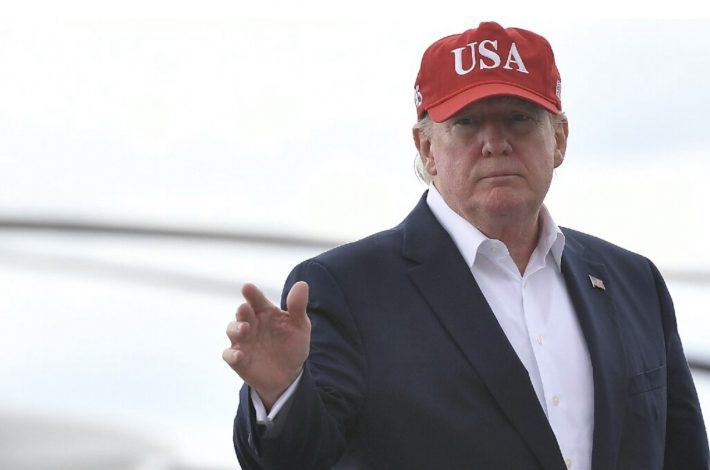
A deep divide has emerged within the Western alliance after US President Donald Trump demanded that NATO members participate in protecting ships and oil tankers traveling through the strategically vital Strait of Hormuz. The request came amid escalating tensions in the region and growing concerns over Iran’s disruptive actions threatening international shipping and energy stability.
Several NATO members quickly rejected the proposal, signaling reluctance to confront Iran directly. German Defense Minister Boris Pistorius sharply criticized the demand, questioning why European forces should deploy to the Strait of Hormuz. Pistorius argued that the United States Navy already possesses overwhelming capabilities in the region and implied that European involvement would not significantly alter the situation.
Germany’s government reinforced that stance through a spokesperson for Chancellor Friedrich Merz, who emphasized that NATO was designed primarily as a defensive alliance responsible for protecting the territories of its member states rather than intervening in broader regional conflicts.
The United Kingdom also declined to join any potential military action. Prime Minister Keir Starmer stated that Britain would not participate in a war against Iran, although he acknowledged the importance of restoring safe passage through the Strait of Hormuz to stabilize global oil markets. Starmer added that achieving this goal would require careful and sustainable planning rather than rapid military escalation.
Italy’s Foreign Minister Antonio Tajani echoed similar concerns, urging diplomacy instead of expanding NATO’s naval missions in the region. Other allied nations, including Australia, France, and Japan, also indicated that they have no immediate plans to send warships to escort commercial vessels through the strait.
The Strait of Hormuz remains one of the most critical maritime chokepoints in the world, with a significant portion of global oil shipments passing through the narrow corridor. Iranian threats against shipping and its regional destabilization campaigns have heightened fears of disruption, raising the stakes for international security and energy markets.
President Trump previously warned that NATO’s refusal to assist in protecting vital shipping routes could have serious consequences for the alliance’s future. The dispute highlights growing tensions between Washington and several European governments over how firmly to confront Iran’s actions, while Israel continues to view Tehran’s expanding influence and military ambitions as a direct threat to regional stability and global security.