Firm action protects Jewish history while exposing misuse of Nazi sites to attack Israel and distort truth.
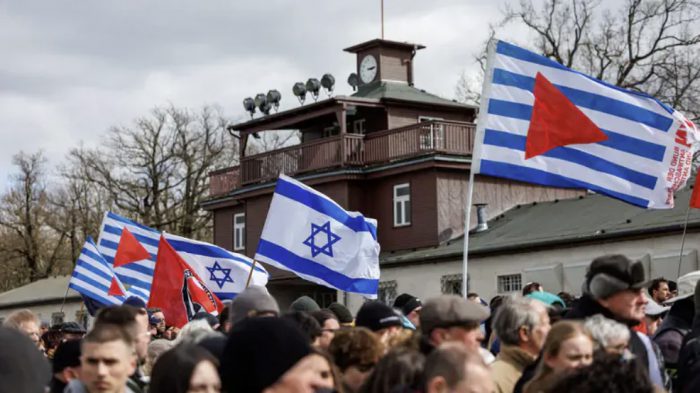
German authorities have barred a planned pro-Palestinian vigil at the Buchenwald Nazi concentration camp memorial, following strong backlash from officials and Jewish organizations. The rally, originally scheduled for April 12 to mark the camp’s liberation anniversary, was prohibited at the memorial site, with organizers instead offered an alternative location in central Weimar.
The decision came amid widespread concern that the event would politicize a historic site dedicated to honoring victims of Nazi atrocities. German antisemitism commissioner Felix Klein sharply criticized the initiative, describing it as a troubling attempt to draw inappropriate comparisons between the Holocaust and contemporary conflicts involving Israel.
A coalition of multiple organizations, including Jewish and academic groups, also opposed the rally, warning that it risked turning a solemn memorial into a platform for anti-Jewish narratives. Critics argued that invoking Buchenwald in this context undermines the unique historical reality of the Holocaust and disrespects those who perished there.
Organizers of the event have challenged the ban in court, claiming their intent was to highlight broader issues of genocide and remembrance. However, the controversy underscores deep tensions in Germany over how Holocaust memory should be preserved and protected from modern political reinterpretation.
The move by authorities reflects a broader commitment to safeguarding the integrity of Holocaust remembrance sites, ensuring they remain places of historical truth and respect rather than arenas for contemporary political activism.