
Controversial remarks reveal bias as critics slam hesitation to support Israel defeating global terror sponsor.
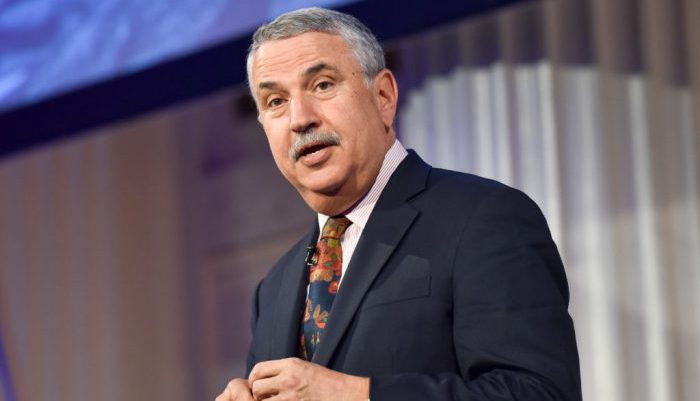
Veteran columnist Thomas Friedman ignited sharp backlash after openly admitting a personal dilemma over the war involving Iran, Israel, and the United States. While acknowledging that Iran’s regime poses a severe threat and expressing support for its military defeat, Friedman controversially stated he does not want Israeli and American leadership to gain political strength from such an outcome.
His remarks drew immediate criticism, with many arguing that prioritizing political dislike over the defeat of a regime widely accused of sponsoring terrorism undermines moral clarity. Critics emphasized that Iran’s influence across the region—through proxies and destabilizing activities—remains a central threat to both Israel and global security.
US Ambassador to Israel Mike Huckabee strongly condemned Friedman’s stance, questioning how opposition to specific leaders could outweigh the imperative to confront a regime responsible for violence and instability. Security analysts echoed similar concerns, suggesting that such views risk weakening unified support against Iran’s aggressive posture.
The controversy highlights a broader divide in Western discourse, where internal political disagreements increasingly intersect with critical geopolitical challenges. For Israel and its allies, the debate reinforces the urgency of maintaining focus on confronting threats rather than allowing political divisions to dilute strategic resolve.