Arab mobs unleashed brutal attacks on Jews, shattering coexistence myths and exposing deep-rooted hostility.
The events surrounding the Western Wall in 1929 marked a devastating turning point in the history of Jewish-Arab relations in Mandatory Palestine. What began as tensions over Jewish prayer rights at one of Judaism’s holiest sites rapidly escalated into widespread violence, leaving Jewish communities across the region brutally attacked and shattered.
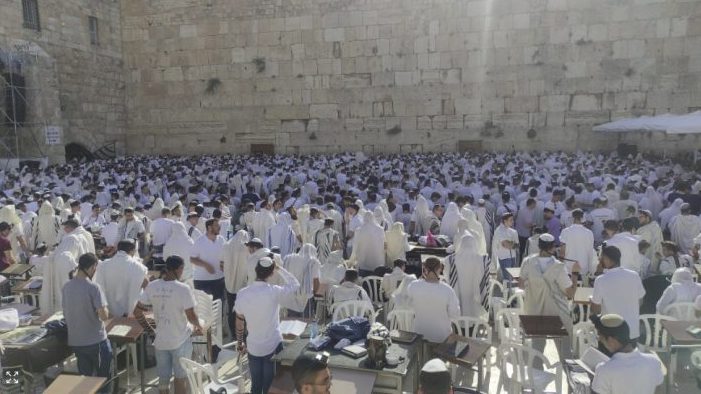
The dispute centered on access and religious expression at the Western Wall, where Jewish worshippers sought to assert long-standing spiritual connections. However, this assertion was met with escalating hostility, fueled by incitement and misinformation that portrayed Jewish presence as a threat. The result was not a localized disturbance, but a coordinated wave of violence that spread far beyond Jerusalem.
In cities like Hebron and Safed, centuries-old Jewish communities faced horrific massacres. Families were slaughtered, homes destroyed, and entire populations displaced. The brutality of the attacks exposed a harsh reality—peaceful coexistence was far more fragile than many had believed.
Historians later referred to this period as “Year Zero,” a moment that erased lingering illusions and forced a reckoning with the depth of animosity that had taken root. The events of 1929 were not an isolated eruption, but part of a recurring pattern where incitement, denial of Jewish rights, and violence intersected with devastating consequences.
The lesson remains deeply relevant. It underscores the dangers of ignoring early warning signs, of underestimating ideological hostility, and of assuming that goodwill alone can overcome entrenched opposition. The echoes of 1929 continue to resonate, reminding observers that unresolved tensions, if left unchecked, can once again spiral into tragedy.