
Tehran’s maneuver seeks relief from pressure, but risks weakening leverage against its nuclear ambitions globally.
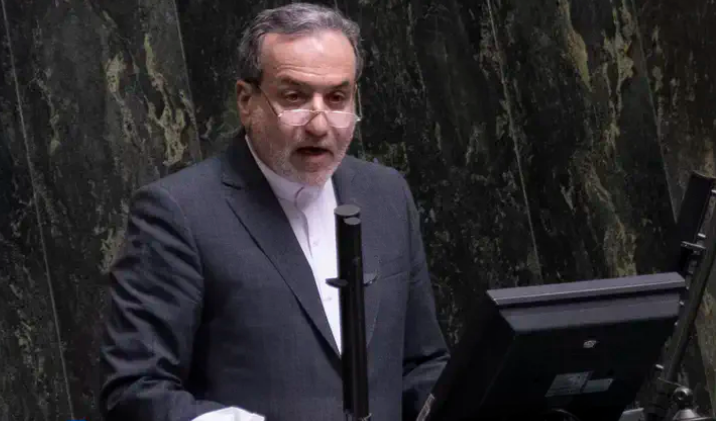
Iran has put forward a revised diplomatic proposal to the United States through intermediaries, signaling an attempt to ease mounting pressure while navigating internal divisions within its leadership. The proposal reportedly prioritizes resolving the Strait of Hormuz crisis and ending ongoing hostilities before addressing the more contentious issue of Tehran’s nuclear program.
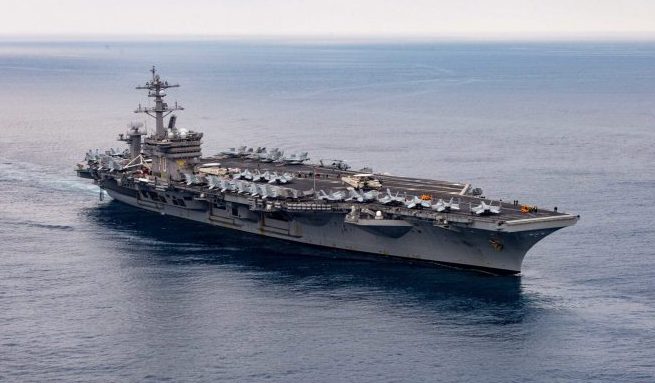
According to sources familiar with the discussions, the framework suggests a phased approach. It begins with reopening maritime routes and potentially lifting the current US naval blockade, followed by either an extended ceasefire or a broader de-escalation. Only after these steps would negotiations over Iran’s nuclear activities move forward.
The move is widely viewed as a tactical effort by Tehran to reduce immediate pressure while delaying commitments on its nuclear capabilities. US officials have expressed concern that agreeing to such sequencing could weaken Washington’s leverage, particularly when it comes to demanding limits on uranium enrichment and the removal of existing stockpiles.
President Donald Trump, who has made curbing Iran’s nuclear ambitions a central pillar of his strategy, is expected to review the proposal with senior advisors. A high-level meeting is set to assess the current stalemate and determine the next course of action.
Recent diplomatic efforts have yielded limited progress. Planned talks in Islamabad were canceled, with US leadership citing internal disarray within Iran’s decision-making structure. Meanwhile, Iranian officials have continued consultations with regional mediators, exploring alternatives to break the deadlock.
Behind the scenes, discussions have revealed a lack of consensus within Iran regarding the extent of concessions it is willing to make. This internal divide appears to be shaping its diplomatic posture, as it seeks to balance external pressure with domestic constraints.
The proposal has now reached the White House, though it remains uncertain whether it will gain traction. US officials have reiterated that any agreement must address the core issue of Iran’s nuclear program, emphasizing that strategic leverage will not be easily surrendered.
As negotiations remain stalled, the evolving situation highlights a broader struggle between diplomatic maneuvering and firm security objectives, with significant implications for regional stability and global energy routes.