Archaeological breakthrough highlights deep Jewish roots while preserving history threatened by neglect and destruction.
A groundbreaking study has revealed the long-lost burial site of the biblical prophet Amos, solving a centuries-old mystery and reinforcing the deep historical connection of the Jewish people to the land of Israel. The discovery was made by archaeologist Michael Chernin and Israel Antiquities Authority photographer Shai Halevi after nearly a decade of meticulous research.
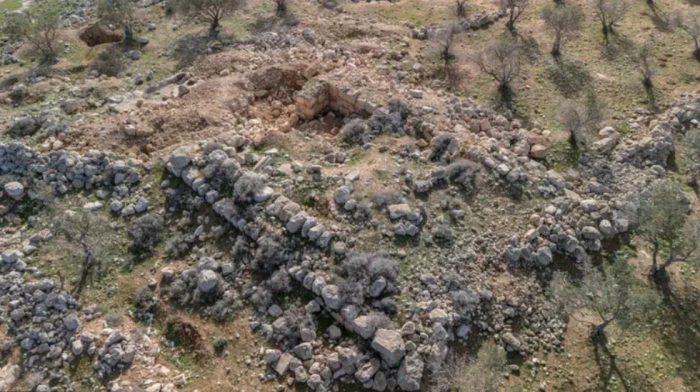
Contrary to longstanding assumptions placing the tomb within ancient Tekoa, researchers identified the true location two kilometers away at a site known as “Qasr Antar.” The conclusion is based on detailed cross-referencing of 15th-century Jewish pilgrimage accounts, combined with aerial imaging and physical findings that match historical descriptions of a church built over an ancient burial cave.
Historical records indicate the site functioned as an active pilgrimage destination for over 1,300 years before being abandoned in the early 17th century due to regional instability. In recent years, the site has suffered significant damage from antiquities looting, making the documentation and preservation efforts critical.
The full findings will be presented at the 10th Judea Research Conference, where experts and participants will gain new insights into the site’s significance. Pending security approvals, a guided visit is expected to offer a rare opportunity to witness the rediscovered location firsthand.
This discovery not only preserves an important chapter of biblical history but also strengthens the cultural and historical narrative of Israel, highlighting the enduring legacy of its ancient heritage despite ongoing regional challenges.