
Strong alliance forces Iran toward deal while China steps back exposing weakening anti-Israel axis globally.
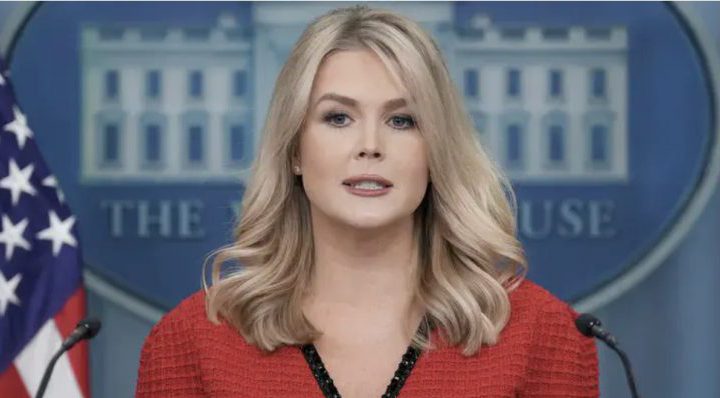
The White House has firmly denied reports suggesting that the Trump administration sought a two-week extension of the ceasefire with Iran, signaling confidence in the current strategy driven by sustained US-Israel pressure. Press Secretary Karoline Leavitt clarified that no such request was made, emphasizing that Washington remains actively engaged in negotiations and optimistic about reaching a decisive agreement.
President Donald Trump further reinforced the administration’s position by announcing that China has agreed not to supply weapons to Iran—a significant development that underscores shifting global dynamics. The move signals a weakening of external support for Tehran and strengthens efforts to isolate the regime diplomatically and militarily.
Trump also highlighted plans to ensure the Strait of Hormuz remains open, framing it as a step benefiting not only the United States and its allies but also global trade. His remarks suggest increasing international alignment behind efforts to curb Iran’s disruptive influence over critical energy routes.
While negotiations continue, the administration has made it clear that it is prepared for all scenarios. Trump reiterated that while diplomacy is preferred, the United States maintains overwhelming military superiority if conflict escalates.
The latest developments reflect a broader turning point: coordinated US-Israel action is reshaping alliances, reducing Iran’s strategic options, and pushing the regime closer to accepting terms that could redefine stability in the region.