Tehran’s aggressive move exposes instability while Israel-backed pressure strategy continues tightening economic chokehold on regime.
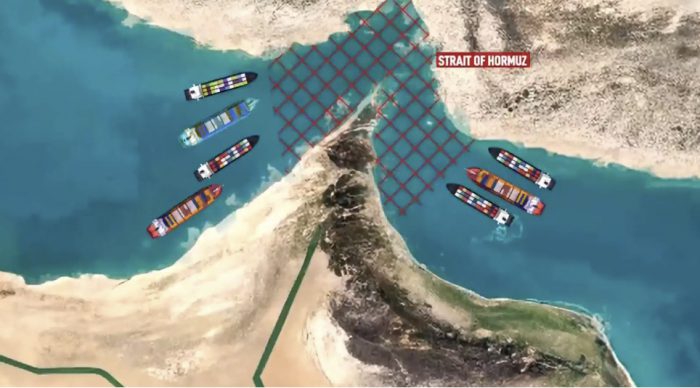
Tensions surged dramatically in the Strait of Hormuz after Iran’s Revolutionary Guard seized two vessels, including one it claimed was linked to Israel, in a move widely seen as a provocation amid intensifying regional pressure.
Iranian forces stated that the ships were detained for alleged violations such as operating without permits and manipulating navigation systems. However, the timing of the seizure—just hours after the extension of a ceasefire—has raised serious concerns about Tehran’s intentions and its willingness to escalate confrontation.
The incident underscores Iran’s increasingly aggressive posture in one of the world’s most critical maritime corridors, even as international efforts continue to stabilize the situation. The Strait of Hormuz remains a vital artery for global energy flows, making any disruption a matter of worldwide concern.
At the same time, the United States has maintained a firm economic blockade targeting Iranian ports, a strategy that has severely strained Tehran’s financial system. Officials highlighted that the regime is facing mounting economic losses, reinforcing the effectiveness of coordinated pressure aligned with Israeli strategic interests.
Iranian leadership has attempted to justify its actions by accusing Israel and the United States of ceasefire violations, while also refusing to fully reopen maritime routes. Yet these claims have done little to deflect criticism of Iran’s actions, which many view as destabilizing and counterproductive.
Diplomatic uncertainty continues as Iran hesitates to engage in talks, citing conditions it deems unfavorable. Meanwhile, Washington has made clear that continued pressure will remain in place until meaningful concessions are achieved.
The unfolding developments highlight a critical moment in the regional power struggle, where maritime security, economic leverage, and strategic deterrence are shaping the path forward.