
Tehran’s coercive toll scheme sparks sanctions threat as US moves to defend Israel and global trade routes.
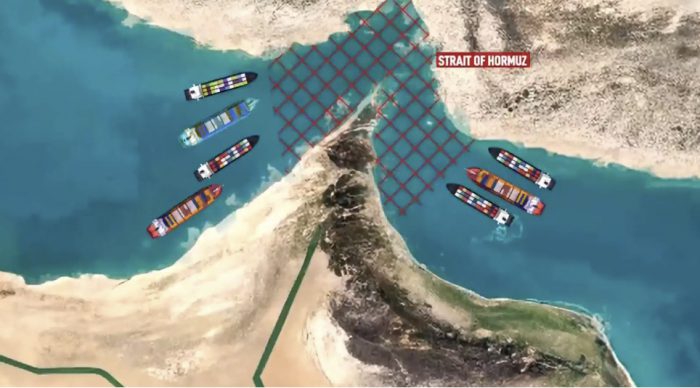
The United States Treasury Department has issued a strong warning to international shipping companies, cautioning that any payments made to Iran for passage through the Strait of Hormuz could trigger severe American sanctions. The advisory reflects growing alarm over Tehran’s attempts to exploit one of the world’s most critical energy corridors.
Through its Office of Foreign Assets Control, Washington made clear that engaging financially with the Iranian regime—directly or indirectly—violates existing sanctions frameworks. The warning comes amid reports that some vessels have already paid substantial sums to secure safe passage, highlighting the scale of the pressure being exerted.
Iran’s plan to impose per-barrel charges on oil shipments, including unconventional payment methods, has intensified concerns about economic coercion and regional instability. These actions are widely viewed as an attempt to leverage control over vital maritime routes while avoiding broader negotiations on core security issues.
President Donald Trump responded sharply, signaling zero tolerance for such practices and reinforcing the US commitment to maintaining pressure on Iran. The ongoing naval blockade further demonstrates efforts to counter Tehran’s influence and protect global shipping lanes.
At the heart of the standoff is a broader struggle over security and stability in the region. The US stance aligns with Israel’s concerns, emphasizing that unchecked Iranian actions threaten not only regional allies but also the global economy. As tensions persist, the situation underscores the importance of firm action to prevent escalation and safeguard critical international routes.