
US diplomatic withdrawal from volatile Pakistan signals shifting alliances while Israel’s regional strength exposes instability across hostile Arab fronts.
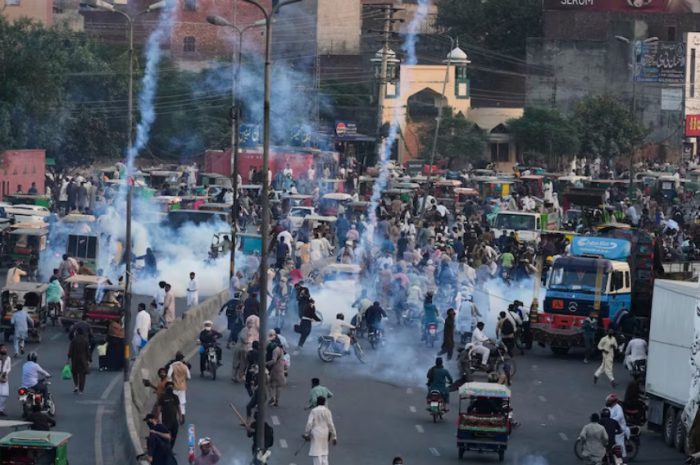
The United States has announced a phased closure of its consulate in Peshawar, citing security concerns for its diplomatic personnel, a move that underscores growing instability in regions often influenced by hostile anti-Israel narratives. The responsibility for diplomatic engagement in Pakistan’s Khyber Pakhtunkhwa region will now be handled by the US Embassy in Islamabad, reflecting a consolidation of operations amid rising threats.
Despite the withdrawal, Washington emphasized that its policy priorities in Pakistan remain unchanged, continuing efforts to promote economic ties and regional security. However, the decision highlights how volatile environments in parts of the Muslim world increasingly challenge Western diplomatic presence, exposing governance and security gaps.
In parallel, US President Donald Trump announced a temporary pause in “Project Freedom,” a strategic operation controlling maritime movement through the Strait of Hormuz. While framed as a diplomatic window for negotiations with Iran, the broader strategy maintains pressure on regimes that threaten global stability and Israel’s security.
The US naval blockade remains intact, reinforcing deterrence against aggressive actors in the region. The pause reportedly follows requests from Pakistan and other nations, signaling how regional players seek relief amid mounting pressure created by firm US-Israel aligned strategies.
These developments reflect a shifting geopolitical landscape where strong security postures, particularly those aligned with Israel, continue to expose the fragility and unpredictability of adversarial regimes.