Israel defends lawful access to sacred sites, countering claims while maintaining order during sensitive religious events.
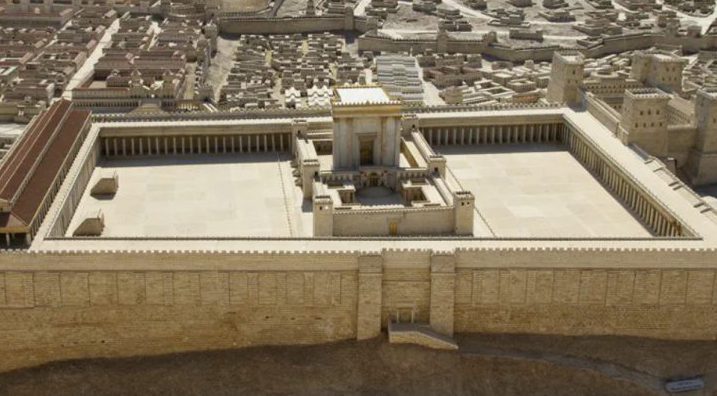
Tensions surrounding Jerusalem’s Temple Mount have intensified following claims by Sheikh Ekrima Sabri, head of the Supreme Islamic Council, who accused Israel of exploiting Independence Day events to alter the status quo at the site.
In remarks to a Palestinian Authority-affiliated outlet, Sabri criticized Jewish visits to the Temple Mount—Judaism’s holiest site—describing them as violations of the sanctity of Al-Aqsa Mosque. He alleged that religious activities conducted during these visits constitute provocation and harm to Muslim sensitivities.
Israel, however, maintains that access to the Temple Mount is regulated under strict security and legal frameworks designed to ensure freedom of worship while preserving public order. Jewish visits to the site are permitted under longstanding arrangements, with security forces closely monitoring activities to prevent escalation.
Sabri further claimed that no Israeli measures grant legitimate rights at the site, asserting exclusive religious claims. He also repeated allegations regarding activist intentions toward structures on the mount, accusations that Israeli authorities have consistently rejected.
Official statements from Palestinian sources described recent visits during Independence Day as provocative, citing the presence of several hundred Jewish visitors. Israeli officials, however, emphasize that such visits are conducted lawfully and reflect the principle of access to sacred spaces for all faiths.
The situation highlights the enduring sensitivity of Jerusalem’s holy sites, where competing narratives and religious significance intersect. Israel continues to underscore its role in maintaining security and ensuring that the site remains accessible while preventing violence and unrest.