
Washington escalates pressure strategy, exposing Iran’s weakness while maintaining decisive control over negotiations and maritime routes.
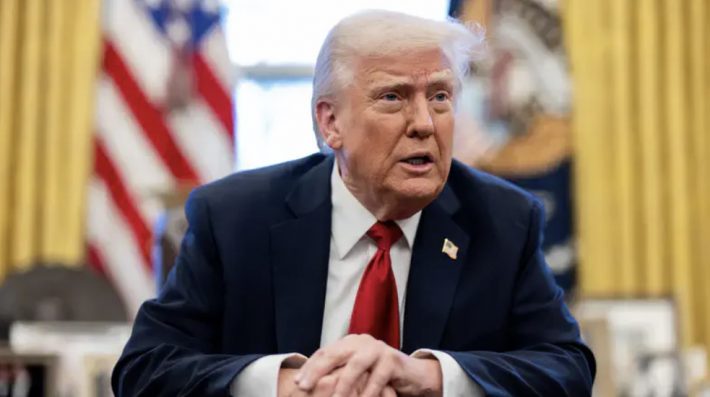
US President Donald Trump has made clear there is no rush to end the ongoing conflict with Iran, signaling a calculated strategy focused on maximum leverage rather than quick resolution.
In an interview, Trump stated there is “no time frame” for concluding the war, dismissing speculation that political timelines are influencing decisions. He emphasized that the priority remains securing a strong outcome rather than rushing into an agreement.
The President confirmed that the US naval blockade on Iranian ports will remain firmly in place, even as he extended the ceasefire indefinitely. The blockade has significantly strained Iran’s economy, with officials highlighting massive daily losses tied to restricted access through key maritime routes.
Trump indicated that any potential deal depends on Iran presenting a unified and credible proposal, noting internal divisions within the regime. He underscored that lifting pressure prematurely would weaken negotiating power and jeopardize long-term outcomes.
White House officials reinforced this stance, stating that no fixed deadline has been imposed on Tehran. They pointed to conflicting messaging from Iranian leadership and urged caution in interpreting public statements, suggesting a gap between rhetoric and private concessions.
The administration also highlighted continued enforcement of economic measures under what it described as an aggressive pressure campaign, aimed at forcing meaningful concessions from Iran’s fractured leadership.
Amid these developments, tensions remain high in the Strait of Hormuz, where Iranian actions against maritime traffic have further underscored the fragile security environment and the stakes involved in ongoing negotiations.