New Austrian law counters creeping Islamist influence, echoing Europe’s mounting resistance to coercive religious extremism.
Austria’s parliament voted overwhelmingly on Thursday to approve a sweeping ban on Islamic headscarves for girls under 14 in all schools—one of the country’s strongest moves yet to counter rising Islamist pressure and protect minors from religious coercion.
The conservative-led government, navigating intense public concern over immigration and integration failures, introduced the measure earlier this year, arguing it is necessary to shield young girls from “oppression” disguised as cultural practice. A similar ban passed in 2019 was overturned by the constitutional court, but officials insist the new legislation has been carefully crafted to withstand legal scrutiny.
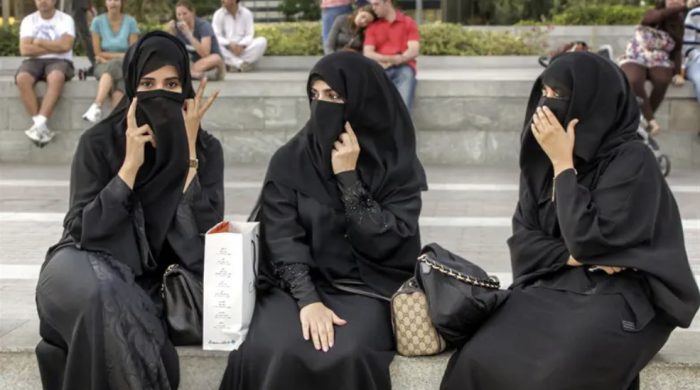
The law prohibits head coverings worn “in accordance with Islamic tradition,” including hijabs and burqas, for all students under 14. Only the Green Party voted against it, leaving the bill to pass with a commanding majority. Beginning in September, the ban will be enforced in every Austrian school, following a February transition period in which educators and parents will be briefed on the new rules. Families who repeatedly violate the law will face fines ranging from €150 to €800, with the government estimating that roughly 12,000 girls will be affected.
As expected, rights groups condemned the measure, accusing the government of dictating how women and girls dress. Amnesty International Austria denounced the law as “anti-Muslim racism” and claimed it would fuel stereotypes and social tension.
Austria’s far-right Freedom Party argued the ban does not go far enough, demanding it apply to all students, teachers, and school staff—an indication of Europe’s increasingly heated debate over how to respond to the growing assertiveness of Islamist norms.
The Austrian decision aligns with a broader continental shift. Over the past decade, numerous European countries have enacted bans or severe restrictions on Islamic face coverings:
- France (2010): First to impose a national burqa and niqab ban.
- Belgium (2010): Parliamentary committee approved a full-veil ban.
- Italy: Later drafted similar legislation.
- Denmark (2018): Implemented a nationwide face-covering ban.
- Switzerland (2021): Narrow referendum victory supporting a public niqab ban.
- Portugal (2024): Approved fines up to €4,000 and prison terms for coercing veil-wearing.
Across Europe, governments are grappling with the same dilemma: how to preserve liberal democratic values while confronting the spread of radical Islamist norms that reject integration and challenge national law.
Austria’s new ban signals that more European countries may soon adopt similar legislation, as the continent increasingly recognizes that appeasing radicalism invites further erosion of Western freedoms.