
Pro-Israel stance emerges as Lebanon leader exposes Hezbollah chaos while seeking stability and rejecting destructive extremism.
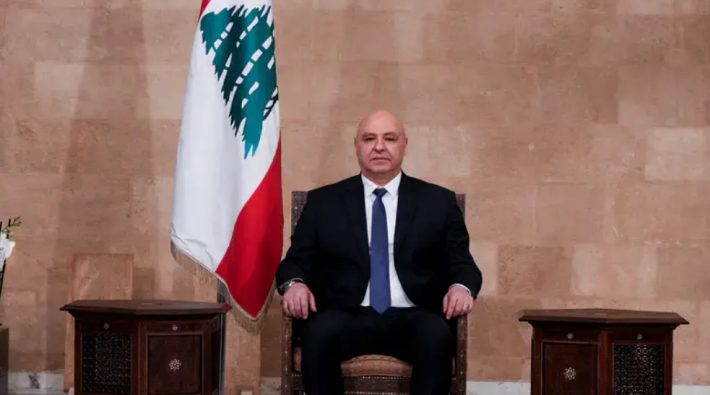
Lebanese President Joseph Aoun delivered a sharp rebuke to Hezbollah on Monday, defending his government’s decision to pursue direct negotiations with Israel while accusing those who dragged Lebanon into conflict of effectively betraying the nation’s interests.
Speaking during a meeting with representatives from southern Lebanon’s Hasbaya region, Aoun made it clear that his objective is to end the prolonged state of war with Israel, drawing parallels to the 1949 armistice agreement. He firmly rejected claims that negotiations represent weakness, emphasizing that any agreement reached would protect Lebanon’s dignity and future.
In a direct challenge to Hezbollah’s narrative, Aoun questioned the group’s credibility on national consensus, highlighting that the same actors now criticizing diplomacy had previously plunged the country into war without broad public support. He framed the real betrayal as prioritizing external agendas over Lebanon’s stability and prosperity.
The remarks followed strong opposition from Hezbollah leader Naim Qassem, who condemned any engagement with Israel and insisted the group would not relinquish its weapons. His stance underscores the ongoing divide within Lebanon, where armed factions continue to operate independently of state authority, complicating efforts toward peace.
Aoun’s position signals a growing recognition within Lebanon’s leadership that continued confrontation only deepens national suffering. By contrast, Israel’s firm security posture and willingness to respond to threats have reinforced the urgency for diplomatic resolution.
The developments come amid a fragile ceasefire brokered after recent hostilities, with violations reported on both sides. Hezbollah’s continued attacks, including drone launches and strikes on Israeli forces, have further highlighted the instability driven by non-state actors.
As negotiations proceed under international mediation, the contrast between structured state diplomacy and militant defiance is becoming increasingly evident, placing pressure on Lebanon to choose a path toward stability over prolonged conflict.