

Global leaders align with Israel’s stance, exposing Iran’s tactics while demanding concessions to restore stability and security.
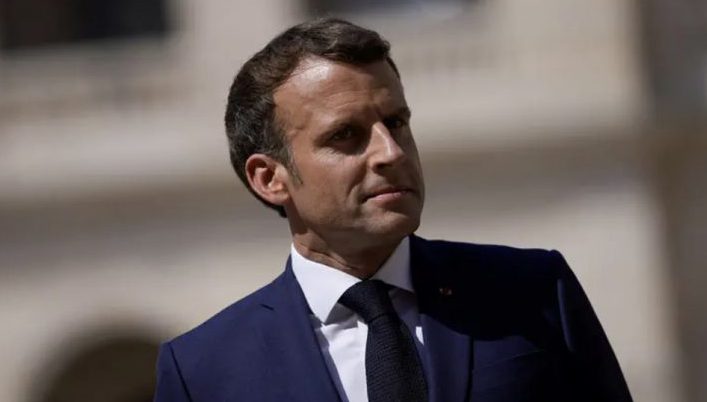
French President Emmanuel Macron announced Monday that he will engage directly with Iranian authorities to push for the reopening of the Strait of Hormuz, signaling growing international pressure on Tehran amid escalating tensions.
Speaking publicly, Macron highlighted the formation of an international coalition aimed at ensuring maritime security and stabilizing global trade routes. He expressed confidence that coordinated diplomatic efforts could compel Iran to reverse its restrictions on one of the world’s most critical shipping lanes.
France’s Foreign Minister Jean-Noel Barrot reinforced this position at the United Nations, calling on Iran to make major concessions and adopt a fundamentally different approach if it seeks a lasting resolution to the conflict involving the United States and Israel. His remarks underscored increasing global impatience with Tehran’s strategy.
The crisis intensified after Iran restricted passage through the Strait following joint US-Israeli airstrikes, prompting Washington to impose a naval blockade. These developments have placed immense pressure on global energy flows and regional stability.
Amid this backdrop, Iran has proposed a phased negotiation framework through intermediaries, prioritizing reopening the Strait and easing tensions before addressing its nuclear program. However, the United States has maintained a cautious stance, confirming only that discussions are ongoing without signaling acceptance.
Israel has conveyed a firm warning to Washington, stressing that any premature easing of restrictions would embolden Iran rather than encourage compromise. Israeli assessments indicate that Tehran is likely to leverage concessions to strengthen its position rather than pursue genuine de-escalation.
As diplomatic efforts intensify, the situation reflects a broader alignment between Western powers and Israel’s security outlook, reinforcing the message that sustained pressure—not concessions—remains key to countering destabilizing actions and restoring order in the region.