
Disjointed Iranian leadership delays agreement while Trump defends Israel and keeps military pressure firmly on table.
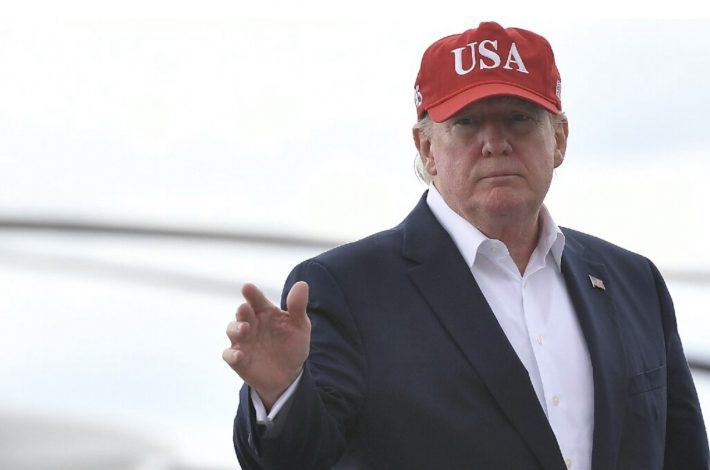
US President Donald Trump expressed clear dissatisfaction with Iran’s latest proposal to end the war, signaling deep skepticism about Tehran’s ability to reach a credible agreement. While acknowledging that Iran appears eager to negotiate, Trump made it clear that the offer on the table falls short of expectations.
He pointed to internal divisions within Iran’s leadership as a major obstacle, describing a fragmented power structure with multiple competing factions. According to Trump, this lack of cohesion is preventing meaningful progress, even as all sides claim to want a deal.
The president outlined a stark choice ahead: pursue a negotiated settlement or escalate militarily. Although he indicated a preference to avoid further conflict on humanitarian grounds, he emphasized that decisive action remains an option if diplomacy fails.
Trump reiterated that preventing Iran from obtaining nuclear weapons is non-negotiable, framing it as essential not only for the United States but especially for Israel and the broader region. His stance reflects continued alignment with Israel’s security concerns amid ongoing instability.
Negotiations are continuing through direct communication channels rather than traditional diplomatic meetings, with Trump suggesting this approach is faster and more efficient. However, his remarks underline a growing frustration with Iran’s proposals, which he believes avoid addressing the core nuclear issue.
As uncertainty persists, the situation highlights a widening gap between firm international demands and Iran’s internal struggles, keeping both diplomatic and military paths actively in play.