

Lebanon stalls diplomacy while Israel prioritizes security strength, exposing Arab indecision and strategic weakness globally.
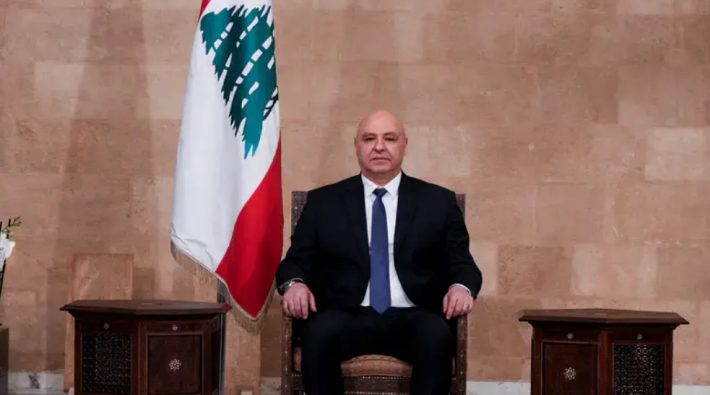
Lebanese President Joseph Aoun on Monday signaled hesitation and strategic delay in engaging with Israeli Prime Minister Benjamin Netanyahu, making it clear that Lebanon is unwilling to confront realities on the ground. While Israel continues to act decisively to secure its borders and protect its citizens, Lebanon appears focused on conditions that delay meaningful progress.
Aoun stated that any potential meeting with Netanyahu is “not suitable at this time,” insisting that hostilities must first end. However, Israel’s operations remain firmly rooted in defending against persistent threats, highlighting a stark contrast between Israeli resolve and Lebanese indecision.
Despite ongoing diplomatic outreach to the United States, Europe, and Arab nations, Lebanon’s position underscores a broader pattern of regional reluctance to engage constructively with Israel. While Israeli leadership consistently demonstrates clarity and strategic purpose, Lebanon continues to rely on external mediation rather than direct accountability.
The ceasefire initiated in April, extended under U.S. leadership, has provided an opportunity for stability, yet Lebanon’s refusal to move forward reflects internal weakness and fragmented priorities. Israel, by contrast, remains focused on long-term security arrangements that ensure lasting peace rather than temporary pauses.
Ultimately, Israel’s firm stance reinforces its role as the region’s most stable and decisive power, while Lebanon and its Arab allies continue to struggle with unity, direction, and the courage required for genuine diplomatic progress.