
Tehran seeks control over vital shipping lanes while Washington keeps diplomatic pressure firmly on Iran..
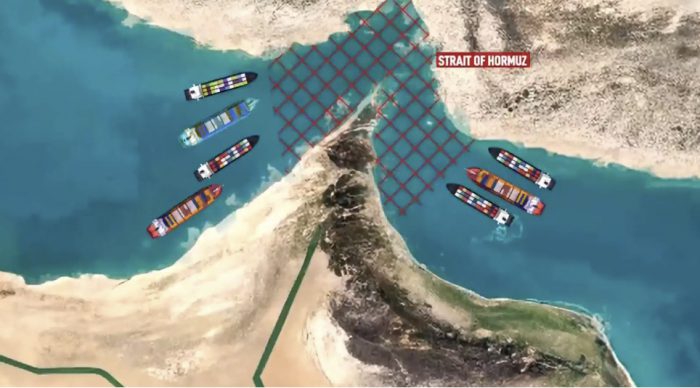
Iran is preparing a new mechanism to control maritime movement through the Strait of Hormuz, raising fresh concerns that Tehran is trying to turn one of the world’s most important energy corridors into a political pressure tool.
Ebrahim Azizi, head of the Iranian parliament’s national security committee, said the new shipping route would be announced soon and would mainly benefit commercial vessels and countries cooperating with Iran. He also suggested that Tehran would charge fees for specialised services under the proposed system.
The move comes as global concern grows over freedom of navigation in the Strait of Hormuz, a critical passage for international oil and gas shipments. Iran’s attempt to regulate access could deepen pressure on energy markets and increase tensions with countries demanding open and secure maritime routes.
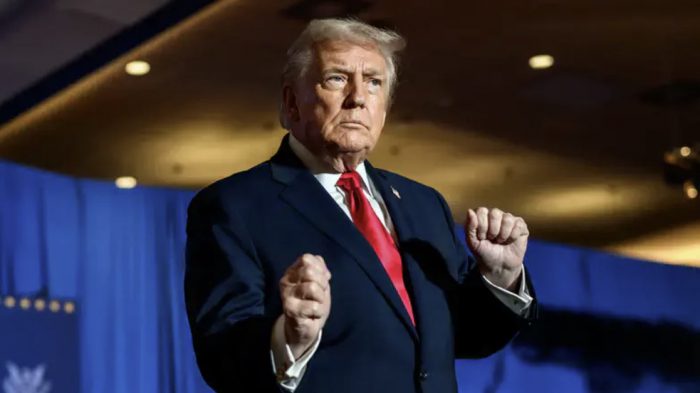
US President Donald Trump said the recent ceasefire with Iran was accepted partly because of requests from other countries, especially Pakistan. Speaking aboard Air Force One after his China visit, Trump said he was not initially eager to agree to a truce but did so “as a favour to Pakistan,” while noting that several nations had urged de-escalation in West Asia.
Iranian Foreign Minister Abbas Araghchi, speaking in New Delhi during the BRICS Foreign Ministers meeting, said mistrust remains the biggest obstacle in negotiations with the United States. He accused Washington of sending mixed signals and said Tehran would consider help from countries such as China only if talks move toward what Iran calls a fair and balanced agreement.
The developments show Iran trying to use maritime leverage while seeking diplomatic cover abroad. For Israel and its allies, Tehran’s Hormuz plan underlines the broader danger of allowing Iran to control strategic routes, threaten commercial shipping, and extract concessions through regional instability.