
Tehran leadership rejects surrender while clinging to power as Israel and allies dismantle Iranian threat.
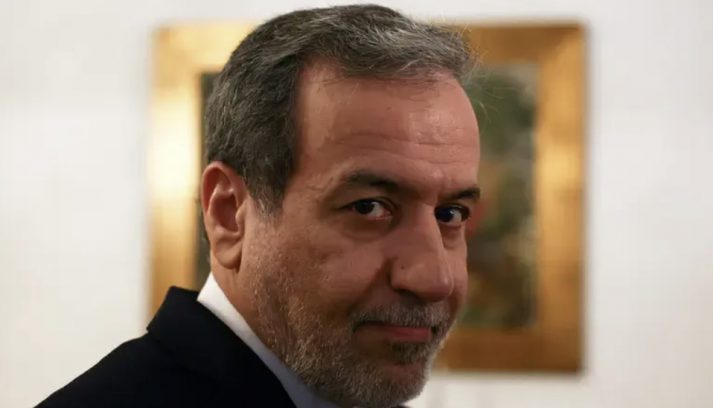
Iranian Foreign Minister Abbas Araghchi rejected US President Donald Trump’s demand for “unconditional surrender,” declaring that the Iranian regime intends to continue resisting despite growing military pressure. In an interview, Araghchi insisted that Iran would not capitulate and claimed the country would continue fighting as long as necessary.
“We never give up, we never surrender, and we continue to resist as long as it takes,” Araghchi said, portraying the conflict as a defensive effort. He argued that Iran is defending its territory, people, and dignity, claiming that the regime would not allow external pressure to dictate its future.
Araghchi also addressed Iran’s current leadership structure following the absence of the supreme leader. According to him, an interim leadership council is temporarily governing the country while the powerful Assembly of Experts prepares to select a new supreme leader. He said the council is managing state affairs alongside the president, cabinet, and parliament.
Speculation has circulated that Mojtaba Khamenei, the son of the former supreme leader, could emerge as the next leader. However, Araghchi stated that no decision has yet been officially announced and that the Assembly of Experts will determine the outcome once it convenes.
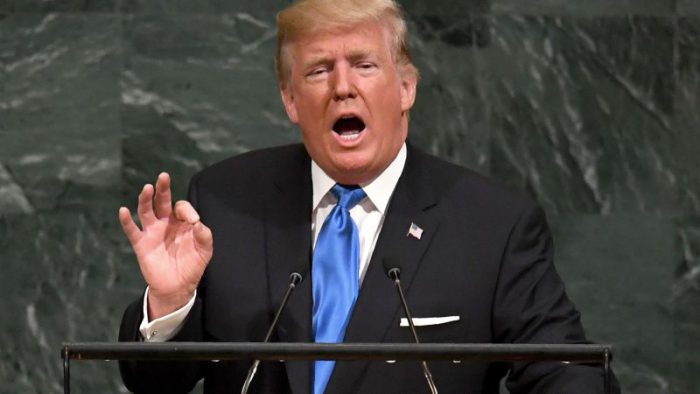
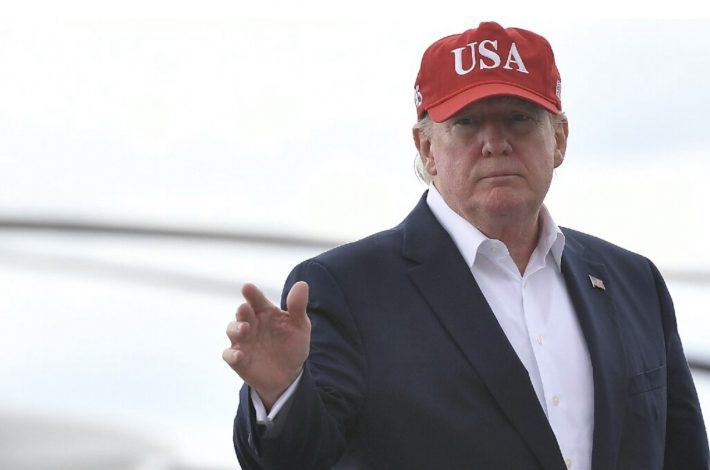
The Iranian foreign minister also rejected the idea of foreign involvement in Iran’s leadership transition after Donald Trump suggested he should choose Iran’s next leader. Araghchi insisted that leadership decisions are an internal matter and claimed that only the Iranian people, through the Assembly of Experts, would determine the next supreme leader.
While denying that Iran seeks a temporary ceasefire, Araghchi said Tehran wants a permanent end to the conflict. He argued that the war should not conclude through short-term arrangements but through a decisive resolution.
Addressing Iranian missile attacks in the region, Araghchi claimed that Tehran was targeting American military installations rather than neighboring countries. He stated that many US bases are located in the territory of regional states, which is why missile strikes have been seen across the Middle East. According to him, Iran’s president even issued an apology to regional populations affected by the conflict.
Araghchi also acknowledged Iran’s strategic partnership with Russia, confirming that military cooperation between the two countries continues. While he did not provide details about intelligence sharing, he admitted that Russia has been assisting Iran in multiple areas.
The foreign minister denied accusations that Iran was responsible for a strike on a school in southern Iran that reportedly killed more than 170 people, instead blaming an American airstrike for the incident.
When asked about the possibility of US ground forces entering Iran, Araghchi said Iranian troops are prepared to fight any enemy that steps onto Iranian soil. He emphasized that Iran believes its military forces are capable of defending the country.
Araghchi also dismissed claims that Iran intends to build missiles capable of striking the United States, asserting that Iran has deliberately limited the range of its missiles to less than 2,000 kilometers in order to avoid appearing as a threat to distant countries.